Castine and the Economies of Enslavement
The Deadly Price of Salt, Cod, and Cotton
Shipbuilding remains a celebrated part of the identities of many coastal towns in Maine. In the early 19th century and up until the Civil War, Castine was a major international port of trade and ship building center.
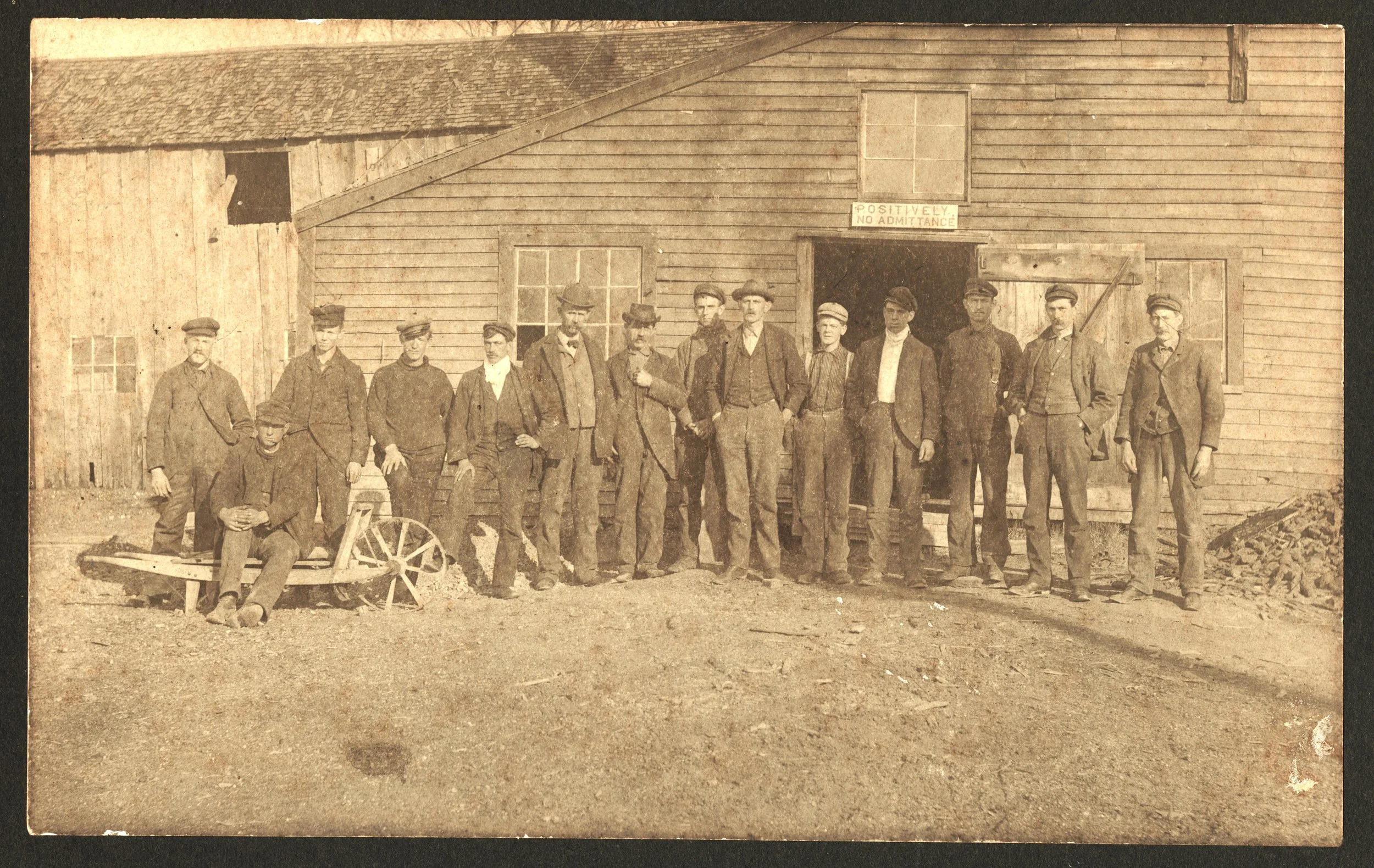
Castine’s large fishing fleet sailed in Castine-built ships to the Grand Banks off of Newfoundland to fish for cod, selling their catch to investors such as Castine-resident William Witherle whose workers preserved the fish with salt.
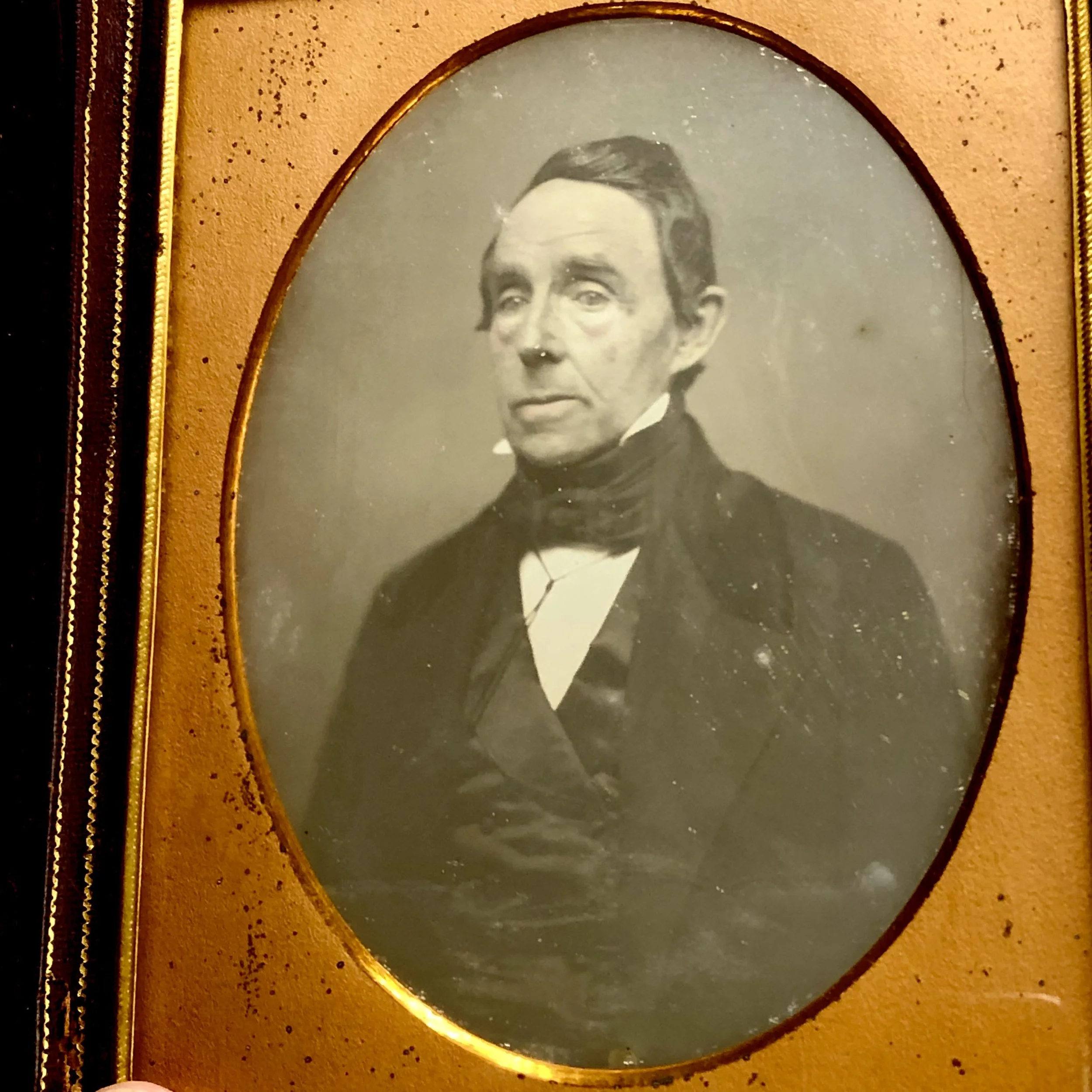
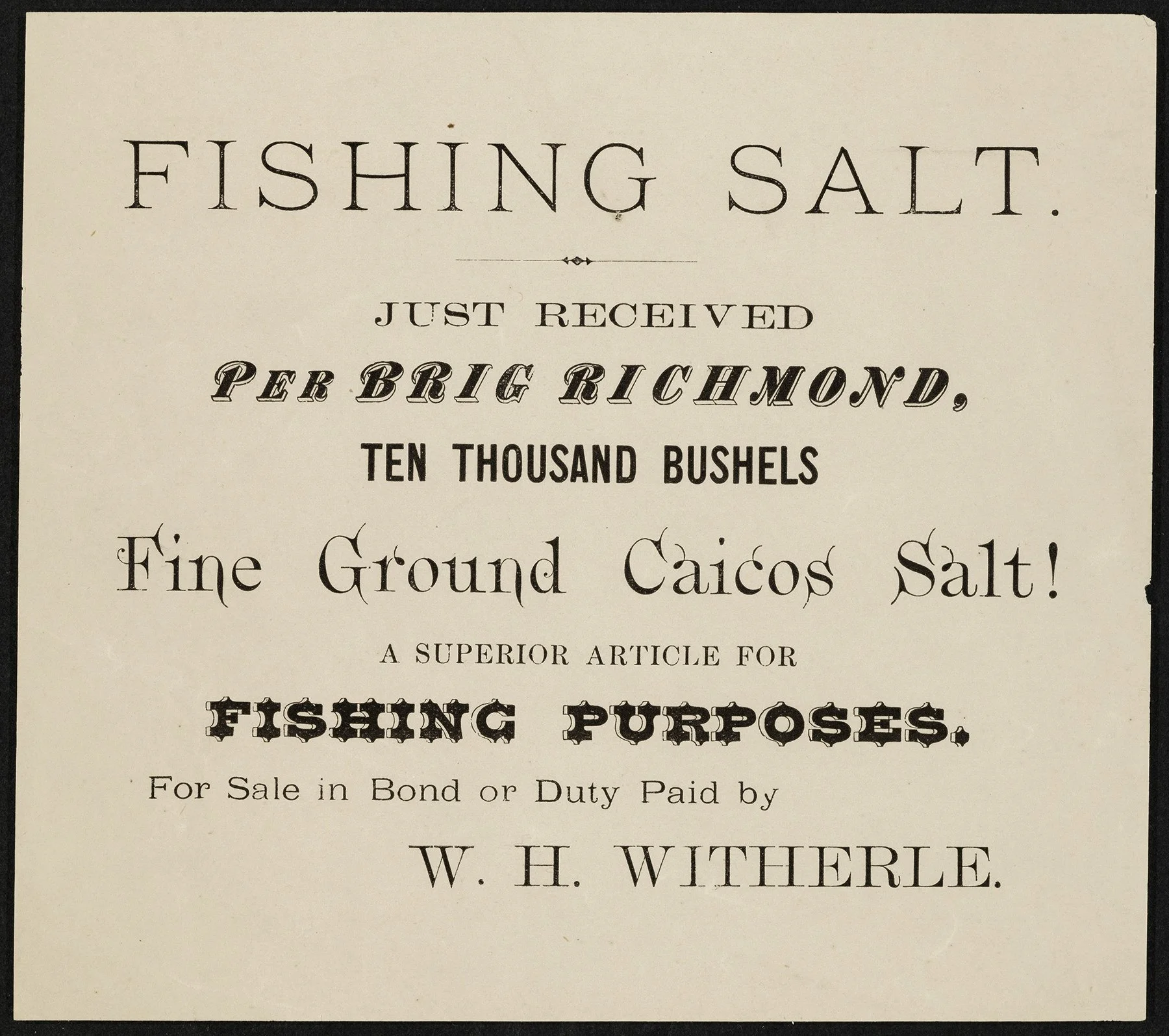
Ship captains in Castine purchased the salted cod, and, along with other goods including lumber, sailed to southern ports such as New Orleans, Charleston, and Savannah. There, plantation owners purchased the lowest-grade salted cod to feed their enslaved workers.
To fill their now empty holds, the ship captains purchased raw cotton and sailed across the ocean to ports like Liverpool, England. These European ports were hungry for cotton for their nearby factories. Empty once more, the ship captains purchased salt for the return voyage to Castine to sell back to investors like William Witherle.
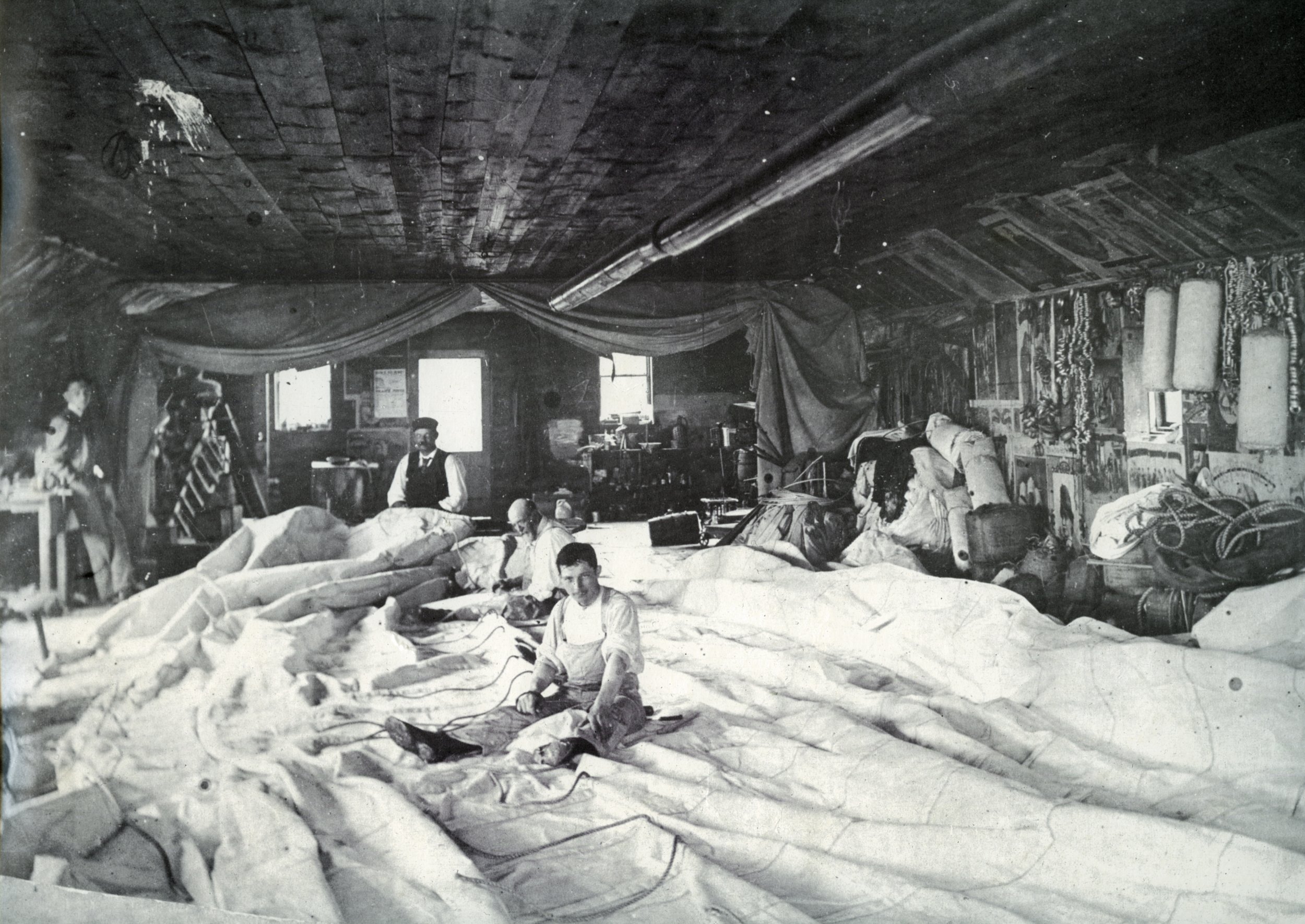
The result was Castine’s “Triangle Trade” of cod, cotton, and salt. The majority of families in Castine had a hand in this trade whether they were merchants, captains, investors, dock workers, ship builders, sail or rope makers, or sailors aboard vessels. Despite the illegality of slavery in Maine, Castine’s abundant wealth was completely reliant on the institution of slavery. Castine merchants, ship captains, and investors quickly learned a profitable formula, but at what cost to the lives of millions of enslaved peoples in the American South and the West Indies?
Reflection Questions
What are the sources of Castine’s wealth?
What signs of the town’s history of ship-building, sailing, and trade exist currently in Castine?
How might participation in this trade have been different for an investor or captain versus a dock worker or sailor?
Where do you see signs of Castine’s shipping industry legacy in Jamaican dishes like “ackee and saltfish”?
This research was compiled as part of the Mači-pikʷátohsək: A Wayfinding Walk which took place in Castine on October 5, 2025. For more information about this walk, click here. For more research related to this area, click on the tags below. To download a hi-res version of the posters below for educational use, please contact where@atlanticblackbox.com.
This event was a collaboration between Castine History Partners (CHP) and the Walks for Historical & Ecological Recovery (WHERE), a series convened by Atlantic Black Box.
Castine History Partners is a collaboration originally established to create virtual history tours for Castine. CHP supports a variety of learning opportunities around the history of Castine. The partners include Castine Community Partners, Castine Historical Society, Castine Touring Company, Maine Coast Heritage Trust, Maine Maritime Academy, Wilson Museum, and Witherle Memorial Library.