Wabanaki History
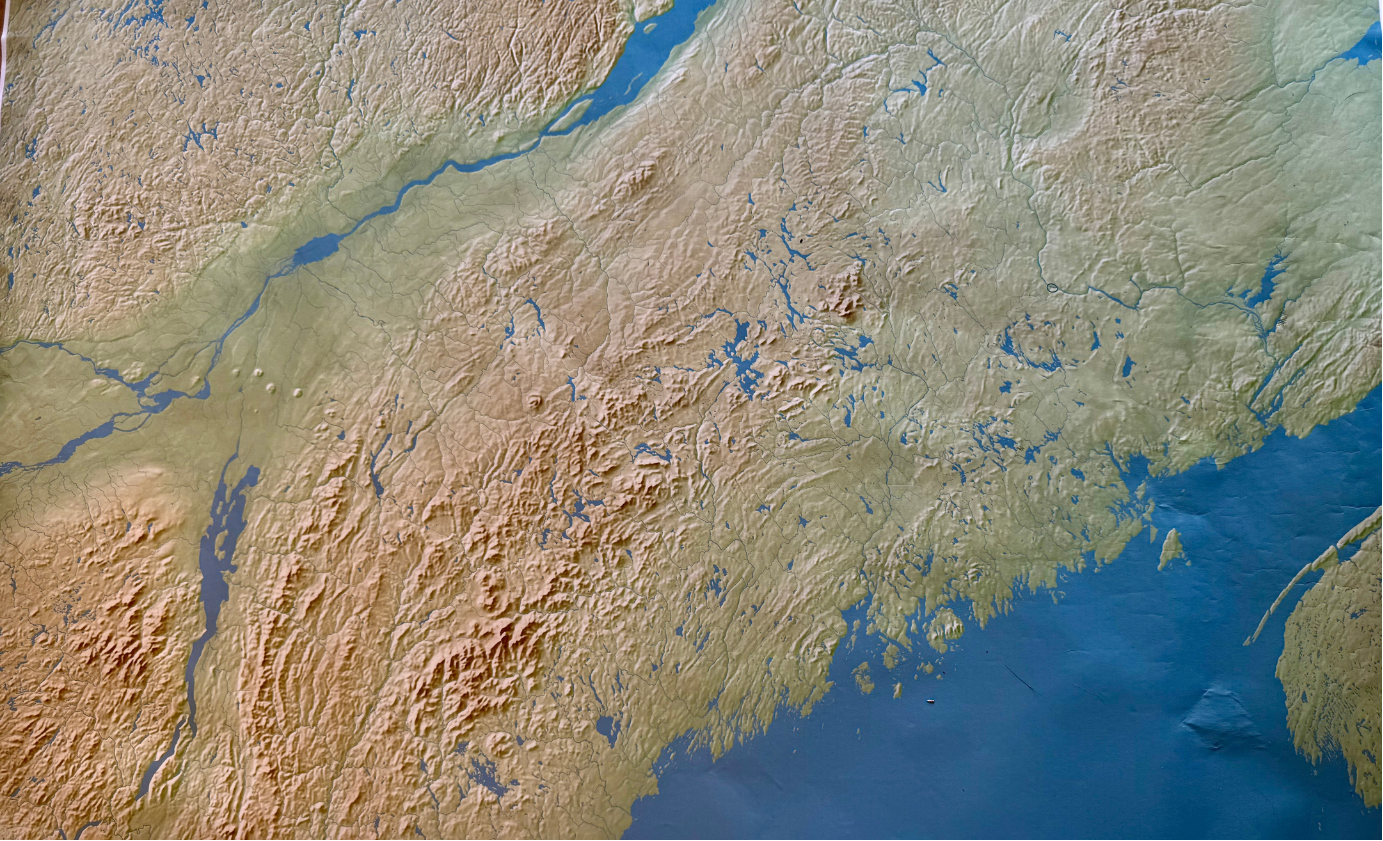
The Wabanaki Confederacy, known as the People of the Dawn, was originally part of the Mawooshen Confederacy, a political alliance led by its own chiefs. This confederacy encompassed tribes such as the Almouqucis, Pewkwet, and others who lived off the southern watersheds, including the Saco River watershed, which extends from the mouth of the Saco River to the White Mountains of New Hampshire. The Mawooshen Confederacy, later becoming the Wabanaki Confederacy, stretched from the Narraguagus River watershed in the northeast to the Mousam River watershed in the southwest, near Kennebunk. These lands spanned New Hampshire, Vermont, Maine, and reached as far as Cape Breton and the Bay of Fundy.
The Wabanaki were a matriarchal society in which women held leadership roles and served as warriors. Gender roles were not rigidly defined, and women were integral to decision making. In their political system, chiefs held lifelong roles, but they were required to consult with clan mothers on major decisions.
The Wabanaki’s relationship with land and nature was deeply rooted in stewardship, vastly different from the views of European colonizers. They believed in living sustainably, always considering the impact of their actions on future generations, and they possessed extensive knowledge of the lands and waters they inhabited.
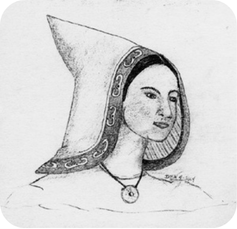
Molly Ockett, a notable figure born in Saco, was a renowned healer
and doctor.
When European settlers arrived, their motivations were starkly different. They sought to dominate and exploit the land for resources, viewing it as something to be controlled. This mindset led to the deforestation of approximately 70 percent of the region’s trees to fuel the timber industry, which also brought about the construction of hundreds of dams. The landscape was altered significantly, with places like Cataract Falls transformed into what is now known as Pepperell Mills.
Throughout history, genocidal acts were committed to seize Native lands. These began with wars and the sometimes intentional spreading of diseases, which nearly wiped out Indigenous communities along the coast. Native peoples were not immune to diseases such as colds, smallpox, and influenza, and settlers often intentionally spread these illnesses. As a result, over 90 percent of the Native population in Maine died in the period after contact. By the early 1620s, much of the land had been cleared for European settlement, with many marshes filled in to build coastal towns and marinas, dramatically altering the natural environment.
After the Revolutionary War, laws such as the Spencer Phips Proclamation incentivized the killing of Native people by offering bounty hunters 50 pounds for male scalps and 25 pounds for women and children.
The doctrine of Manifest Destiny, along with the Doctrine of Discovery, gave Christian explorers a rationale for claiming lands that were not inhabited by Christians, thereby justifying the seizure of Indigenous lives and territories. The People of the Dawn were either absorbed or displaced, leaving only five tribes remaining. Today, there are four tribes in Maine, with approximately 9,000 enrolled members.
This research was compiled as part of The Inclusive Walking Tour, which took place in Biddeford on October 27, 2024. For more information about this walk, click here.
For more research related to this area, click on the tags below. To download a hi-res version of the posters below for educational use, please contact where@atlanticblackbox.com.
This walk was a collaboration between Community Change Inc., Biddeford Saco area Showing Up for Racial Justice (SURJ), Heart of Biddeford, the City of Biddeford, and Atlantic Black Box.