Ingredients of Empire
This piece was written by Anna Durand as part of Interco(a)stal: Reading Between the Ribs of Maine’s Maritime History. Some of the information included here comes from the article “Baked Beans, Brown Bread, Ackee and Saltfish: Mount Desert Island’s Nineteenth Century Foodways And Trade with the Slavery-Based West Indies” from the 2025 edition of Chebacco, the journal of the Mount Desert Historical Society and is used with permission.
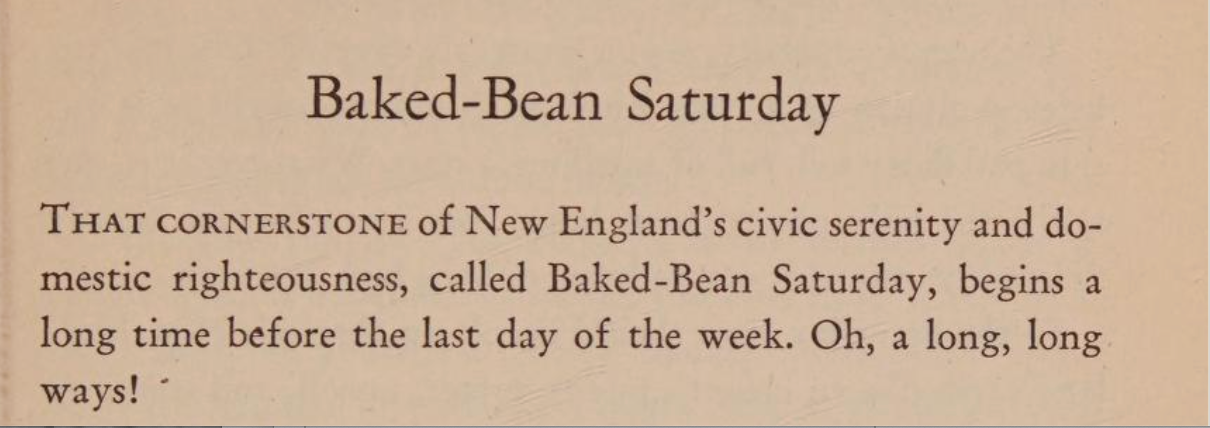
“Baked-Bean Saturday” screenshot of book facsimile from the Internet Archive, p. 103. Coffin, Robert Tristram, Mainstays of Maine, NY, The MacMillan Company, 1944.
Baked beans, brown bread, Indian pudding—these “traditional New England” specialties evoke the warm, cozy flavors of molasses and spice. And yet, we trace their ingredients to the work of enslaved Africans, held in bondage on islands across the Caribbean in the most brutal of the slavery-based economies. The average lifespan of an enslaved person brought to the sugar islands was seven years due to dismal living conditions, grinding hard work, and an ethos of brutality by plantation owners on islands where the white population were easily outnumbered by the enslaved. The grim mortality levels required a constant flow of Africans to replace the dying. Over ninety percent of the 12.5 million Africans forced into the Middle Passage arrived not in this country but in the Caribbean islands and South America.
The nineteenth-century narrative of self-sufficient, hardy Maine farmers and fishermen was centered in popular literature and public memory while slavery in Maine was mostly off-shored to the southern US and the Caribbean. Seafaring brought its products home.
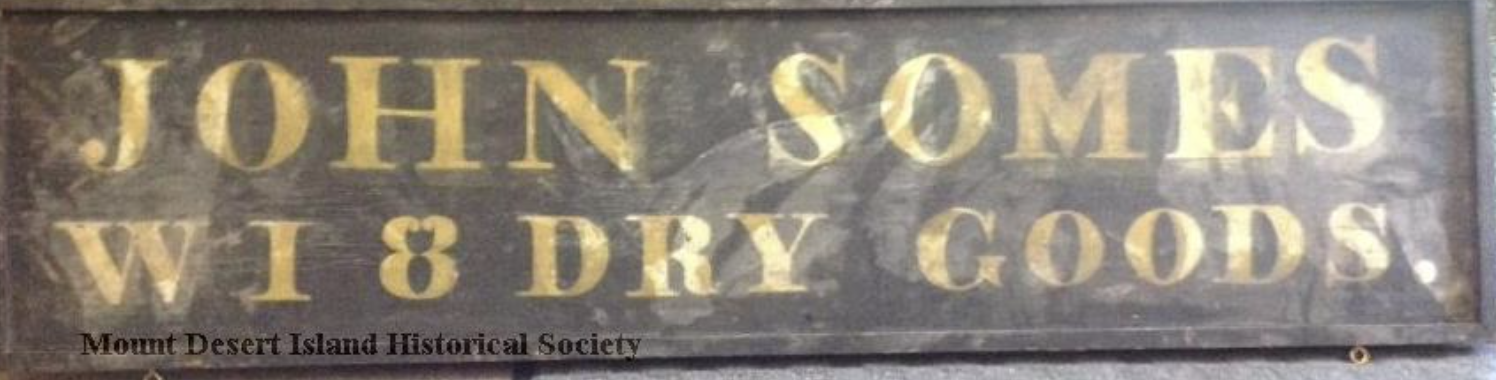
This sign is from the John Somes store in Somesville offering “West Indies” goods: rum, molasses, sugar, coffee, spices.
Small grocery stores throughout Maine sold enormous quantities of rum and molasses; their signs and advertisements offering “W-I Goods” meant that these were places to buy “West Indies” ingredients.
Below are three pages from Mount Desert Island store ledgers in the years 1808, 1825, and 1860 recording sales of “W - I Goods.”
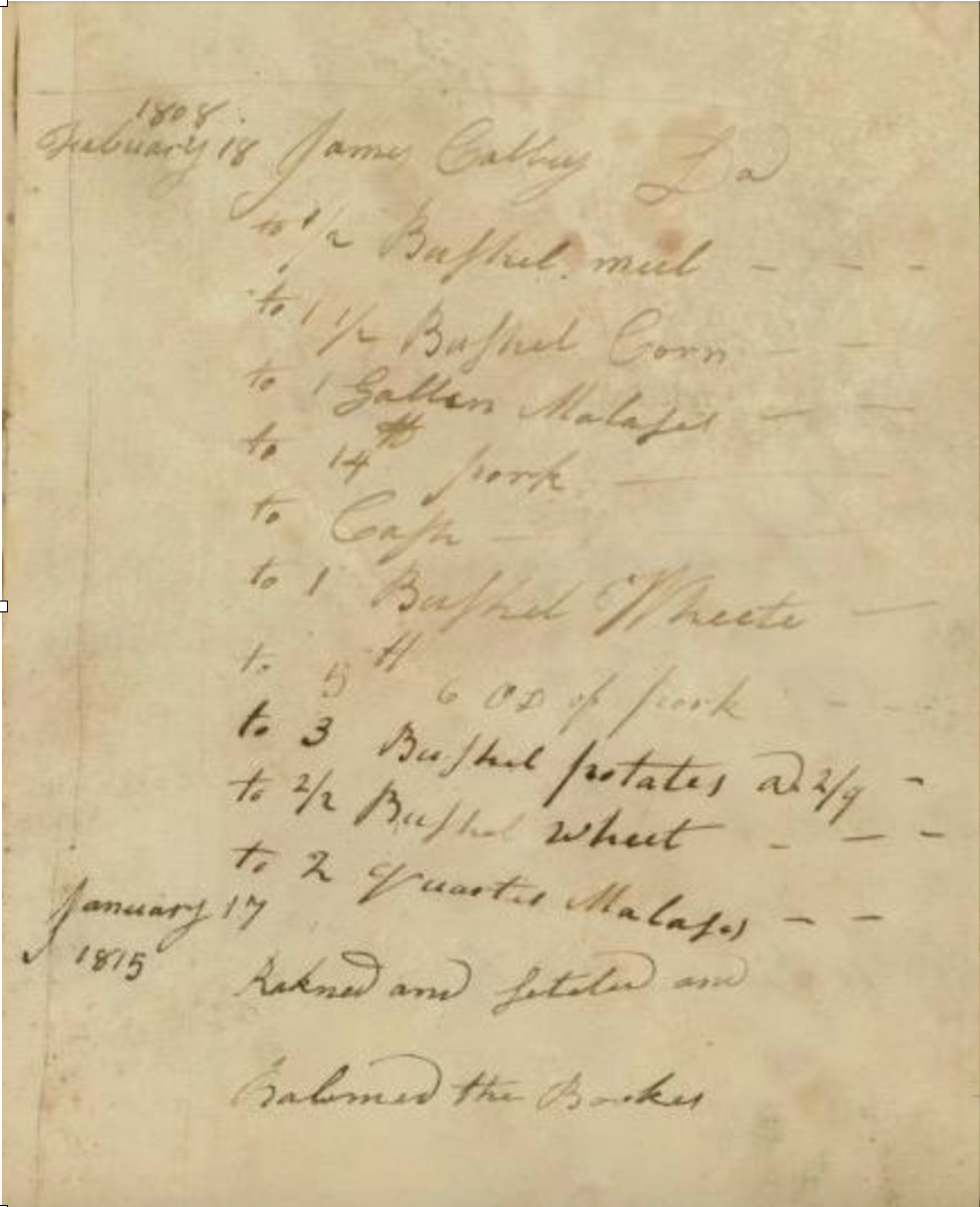
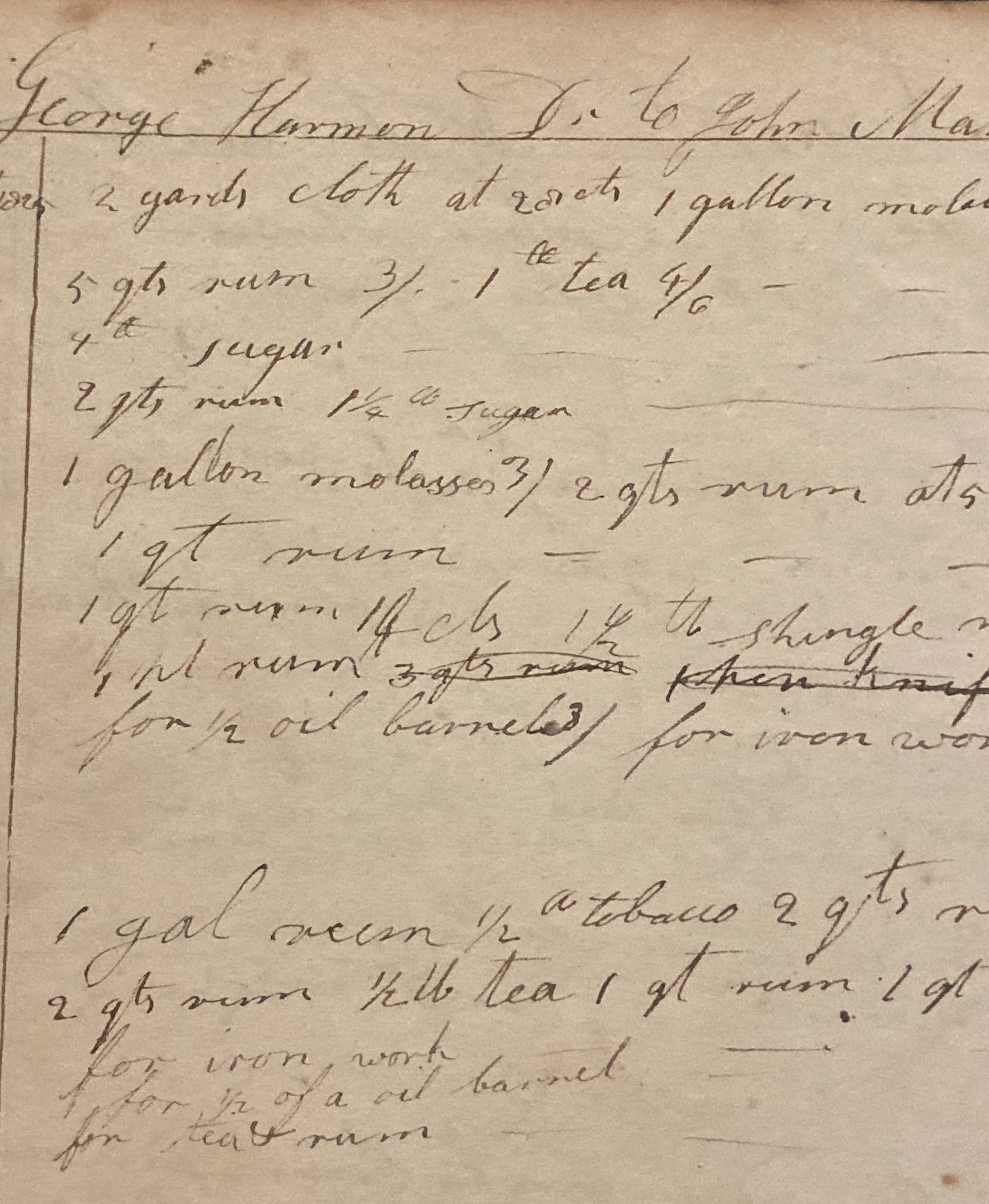
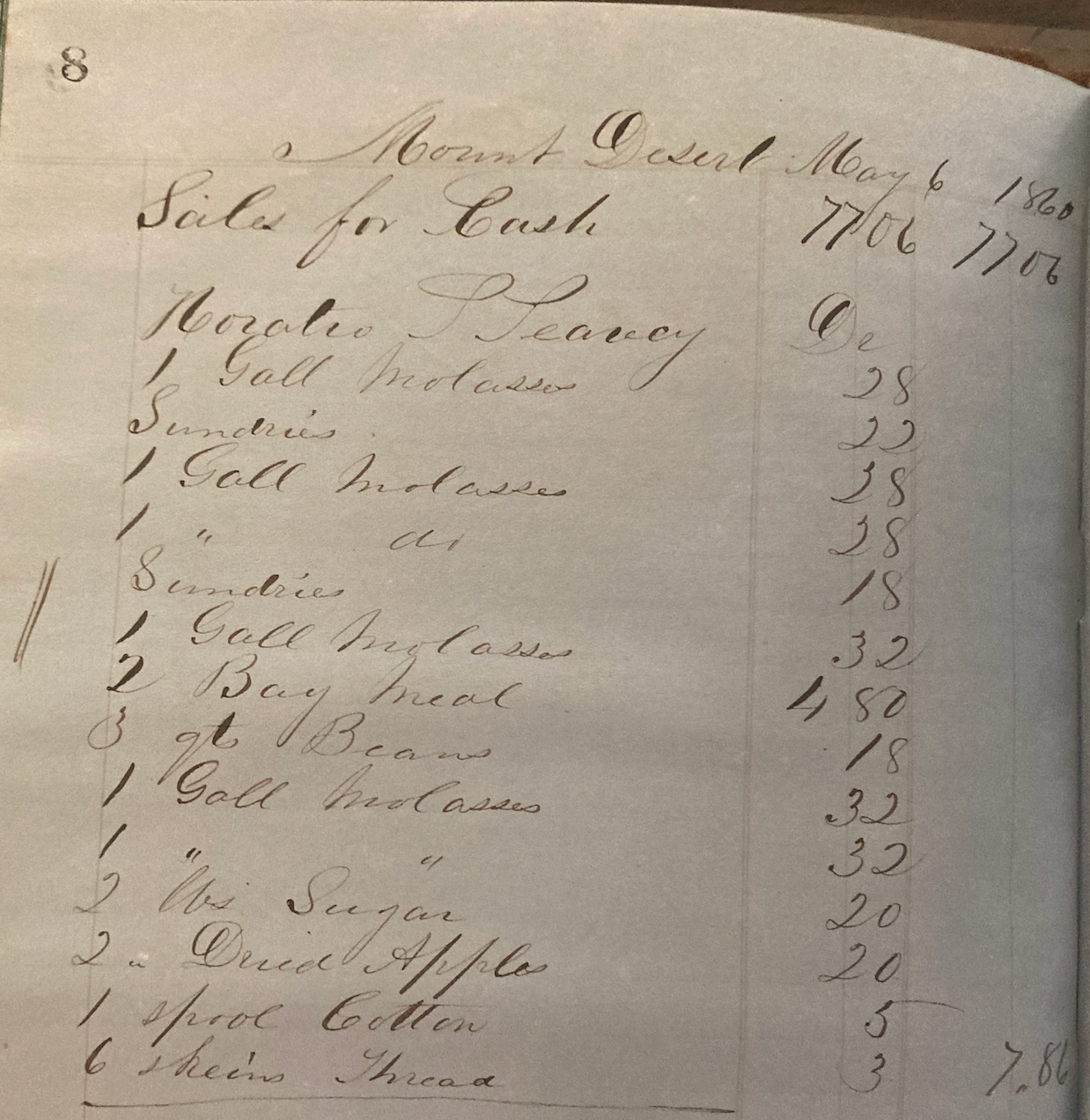
Of the forty-seven items bought in one month by Mr. Day of Mt. Desert in this 1825 store ledger, 25 of them were slavery-produced Caribbean imports:
Sugar, molasses, rum, and salt were traded primarily for Maine-produced dried cod and lumber. By the mid-1800s, Bangor and Ellsworth were the two busiest ports for lumber sales in the world, much of it shipped to Caribbean plantations where almost all of the trees had been cut to make room for sugar cultivation. Barrels, staves, and wooden sugar boxes flowed through these cities and out to the Atlantic world by the millions, often shipped as kits called shooks to save shipping space.
In addition to lumber, dried cod kept MDI sailors busy. The nineteenth century Frenchman’s Bay Customs District surrounding Mount Desert Island was a highly prolific fishery, catching and drying thousands of tons of cod each year. Cod were caught from dories on hand-lines, split and salted then dried. Higher grades of salted cod were exported to Europe while the lowest grades were shipped to the Caribbean plantations to feed the enslaved workers there.
Sugar
Sugar was the primary ingredient prepared for export on the plantations. These handwritten recipes from the Woodlawn estate in Ellsworth for lemon pudding, sauce, and chocolate cake feature the sugar bought by Colonel John Black with his fleet of coasting schooners.
Making sugar was difficult and dangerous at every step.
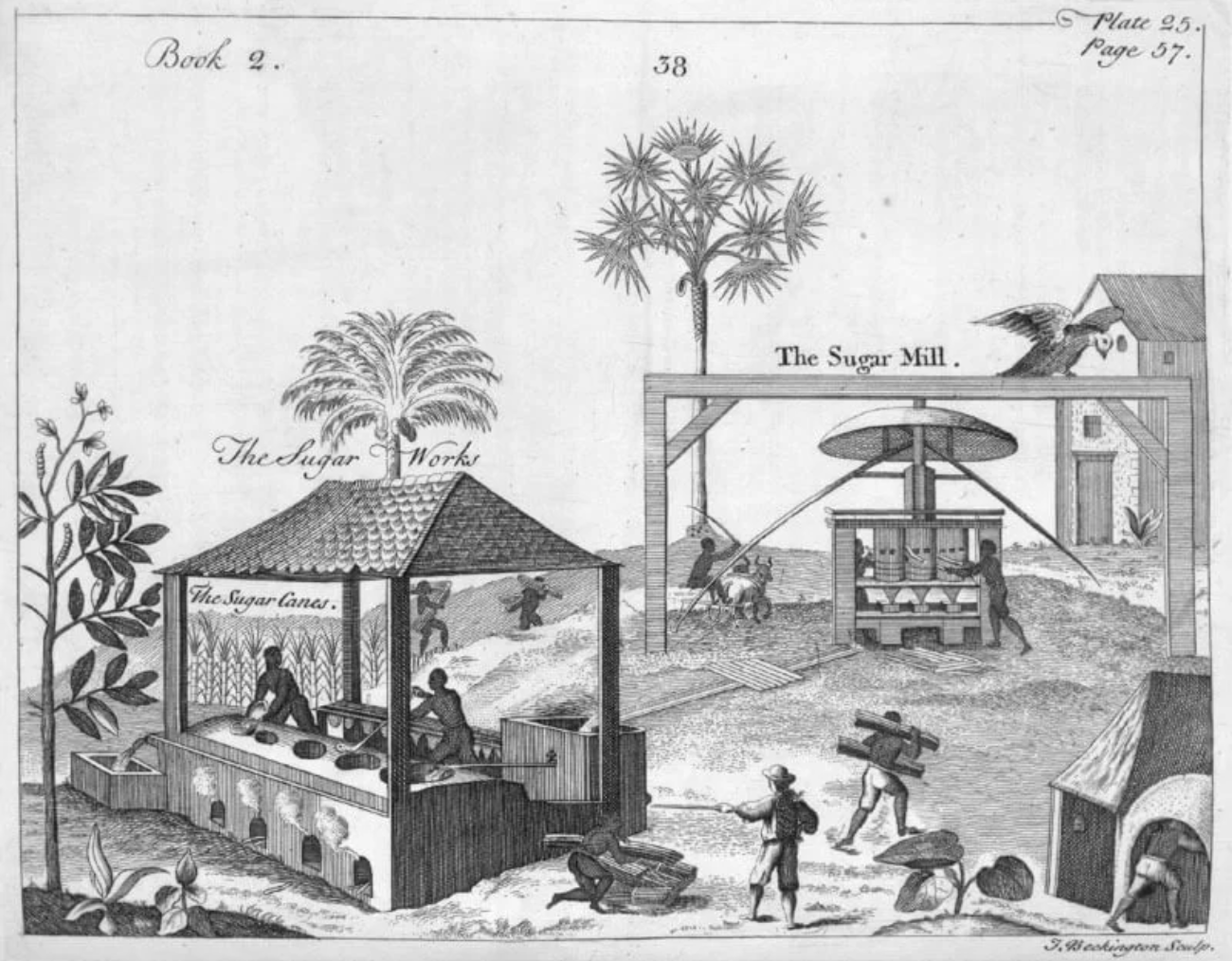
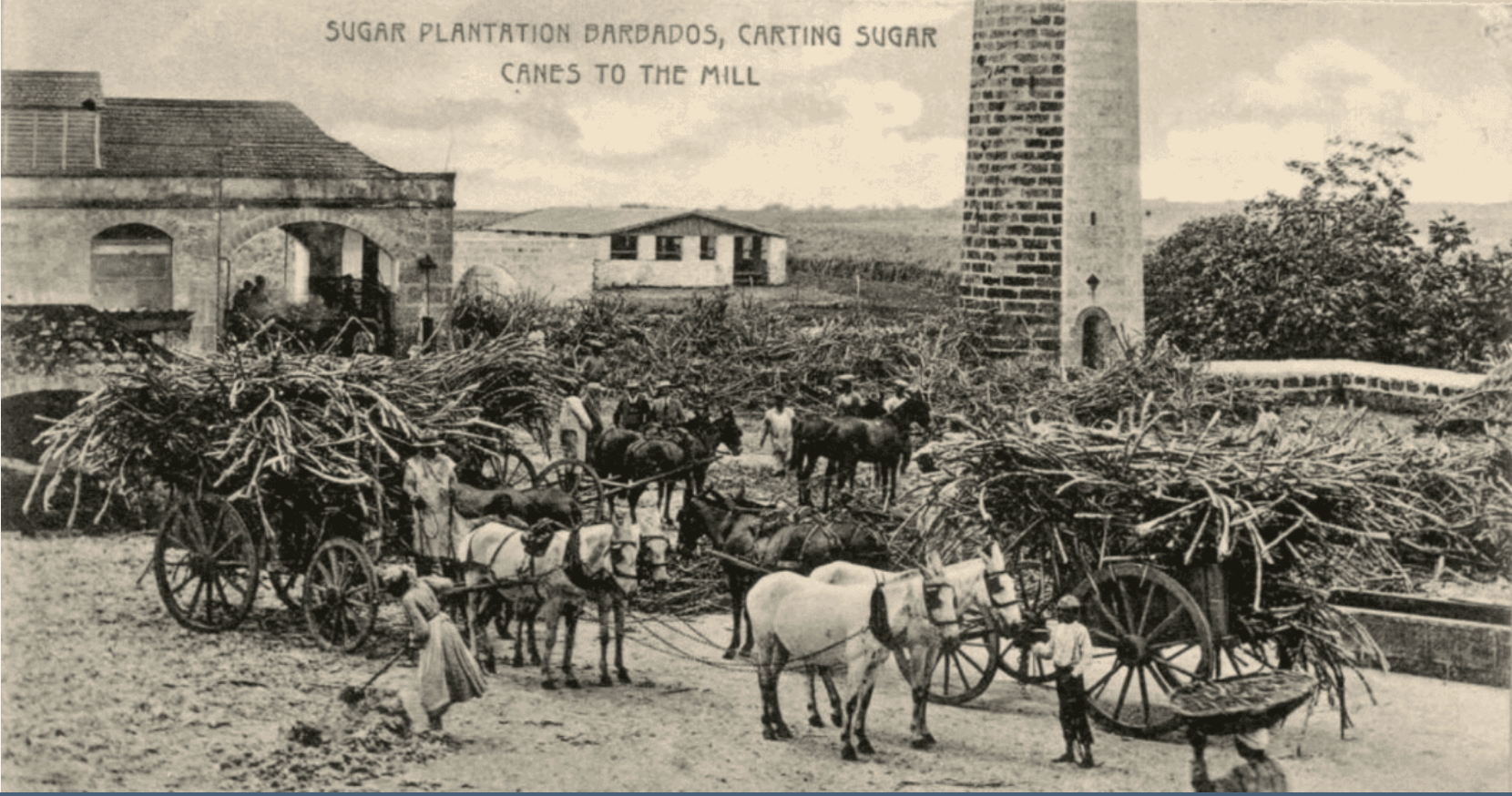
Enslaved workers on the sugar plantations endured tropical heat and violent overseers to clear the land and create a grid of planting mounds to receive the immature cane stalks. Tough, ripe cane had to be cut with machetes then hauled to the mills which were powered by livestock and wind. The cane was run through massive rollers to extract the juice, a process that too often resulted in workers losing limbs to the rollers. The cane juice was then boiled over intense fires, watched over and skimmed by enslaved laborers who could be scalded at the boiling pans. The resulting sugar crystals were packed into barrels from which the molasses was drained, which was then scooped into casks to be sold or made into rum. Because cane juice would quickly spoil in the heat, sugar production moved at a furious pace, with many lives lost to the process.
Molasses

The schooner Huldah and Judah was built in Hulls Cove, captained by Cornelius Thompson.
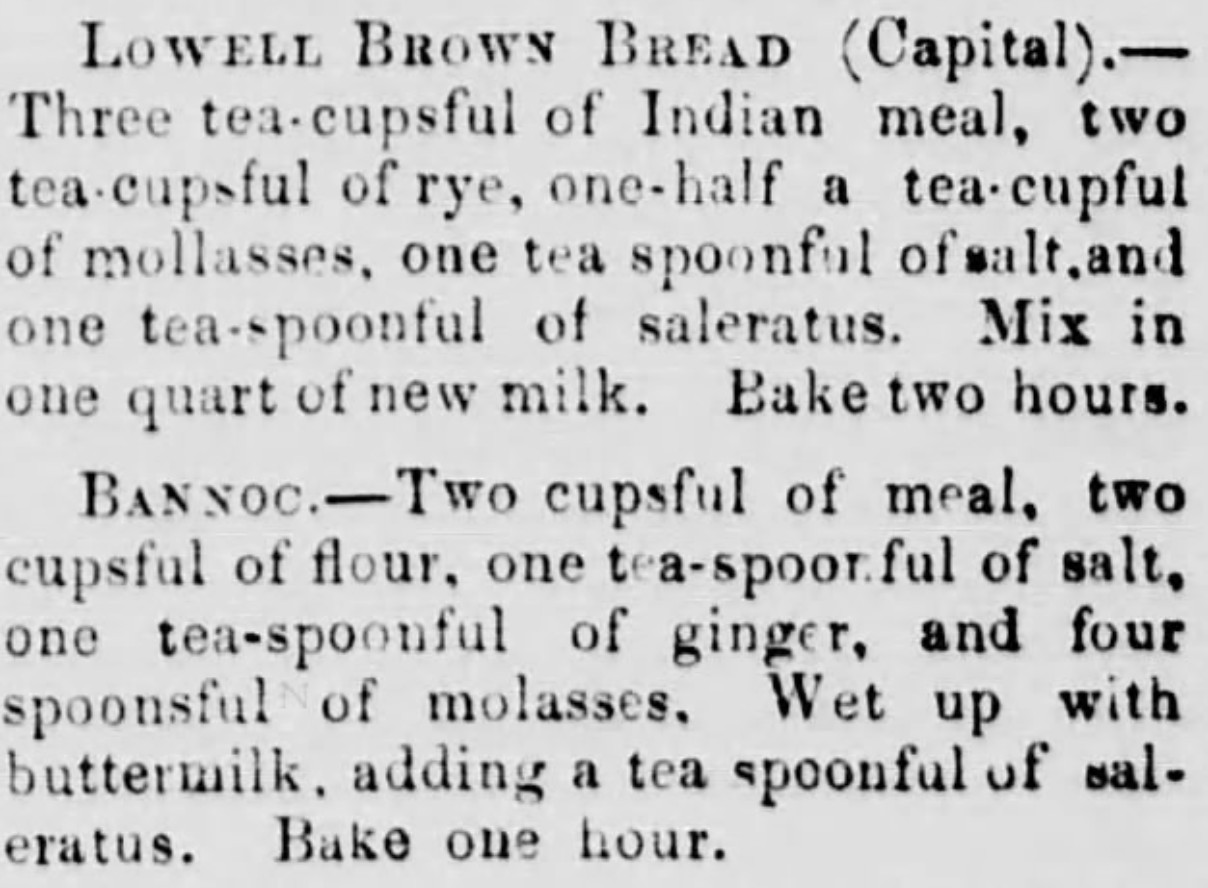
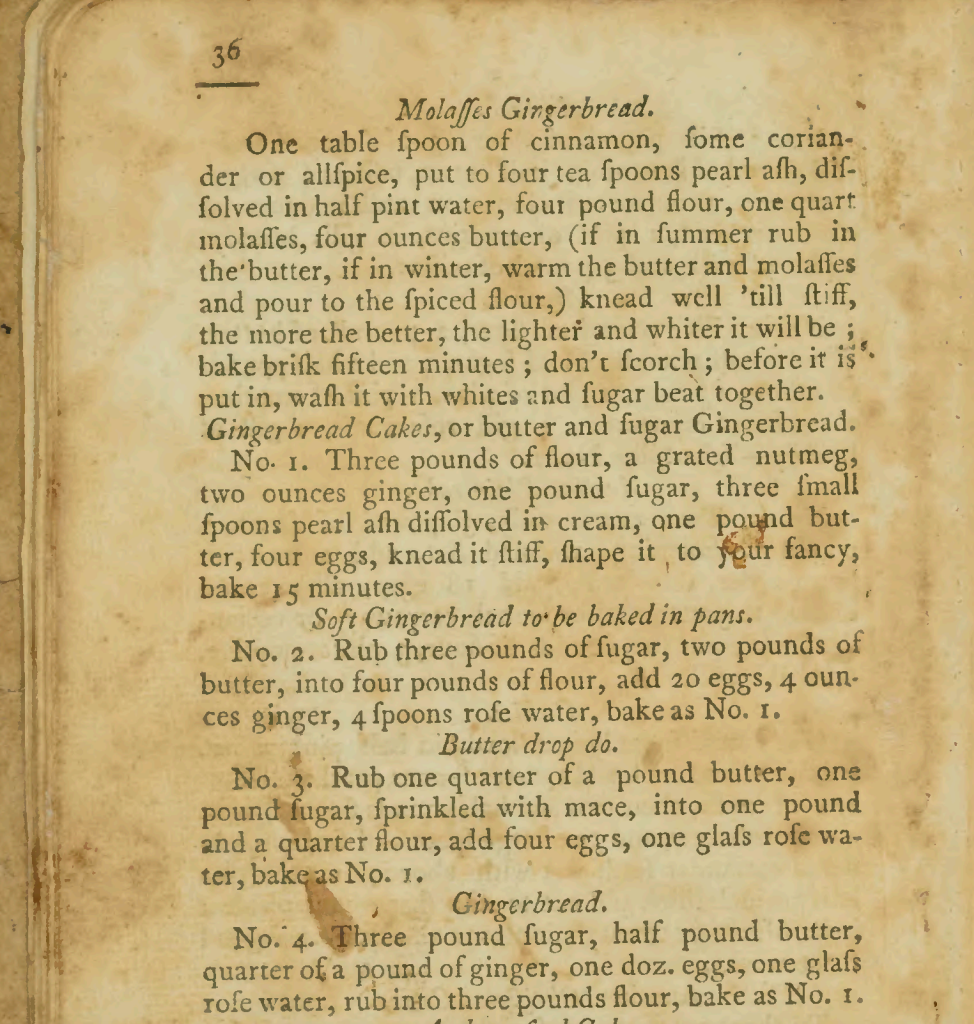
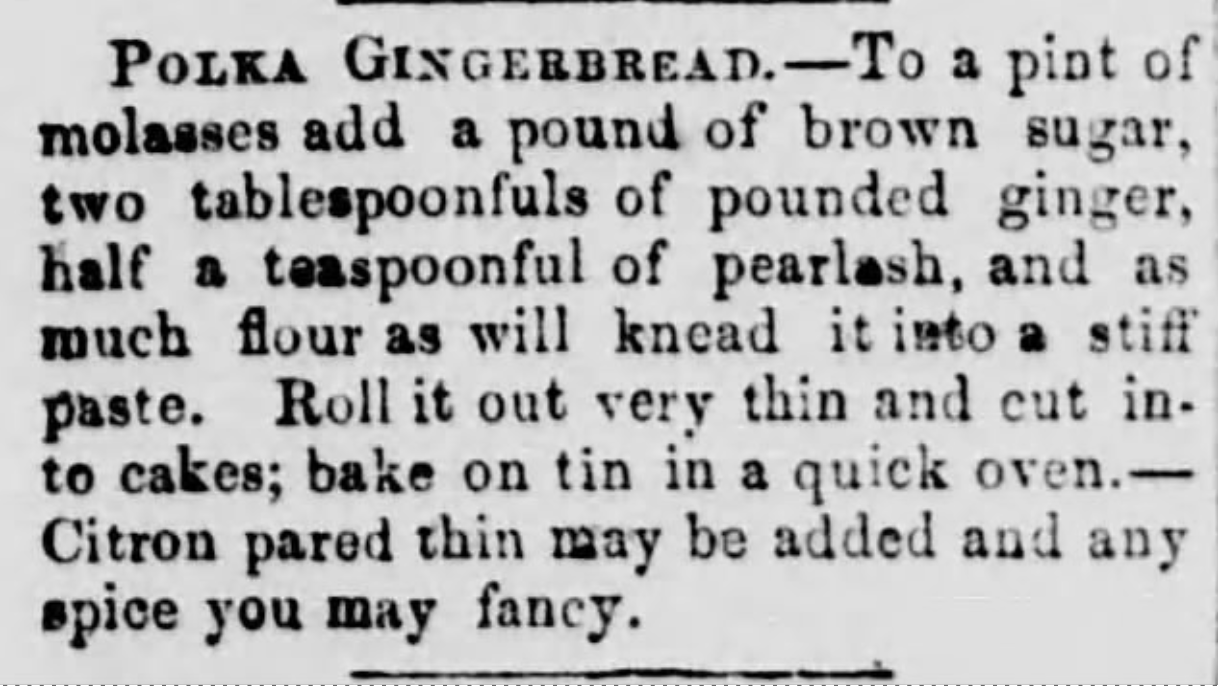
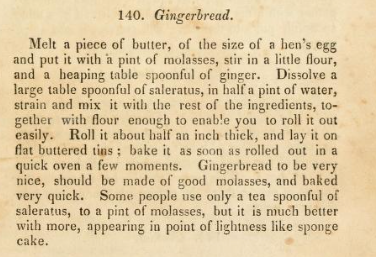
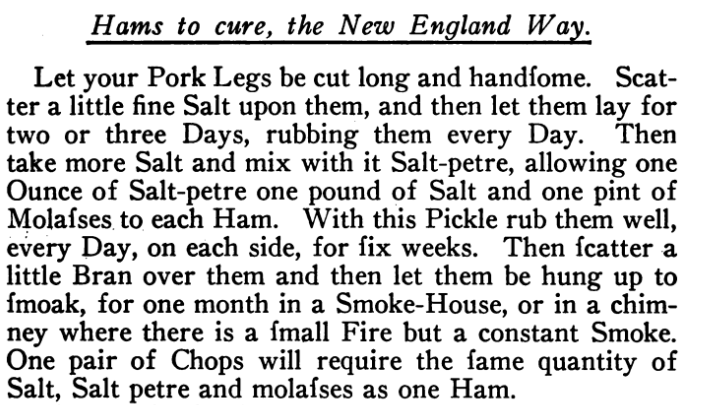
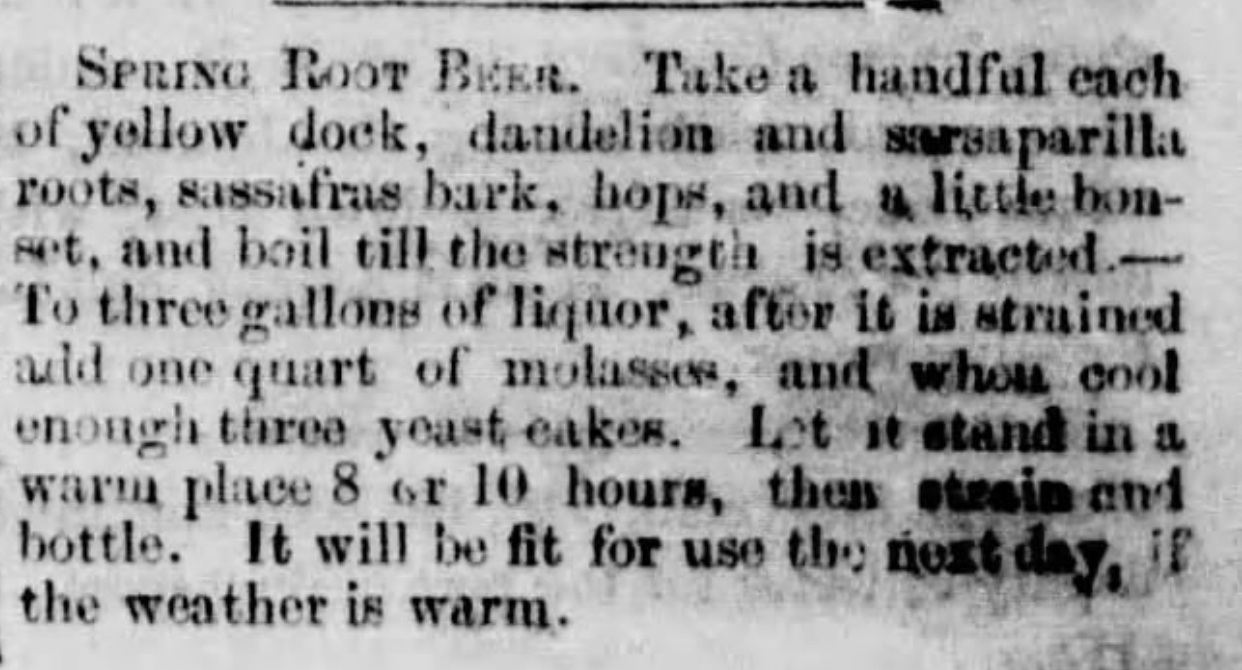
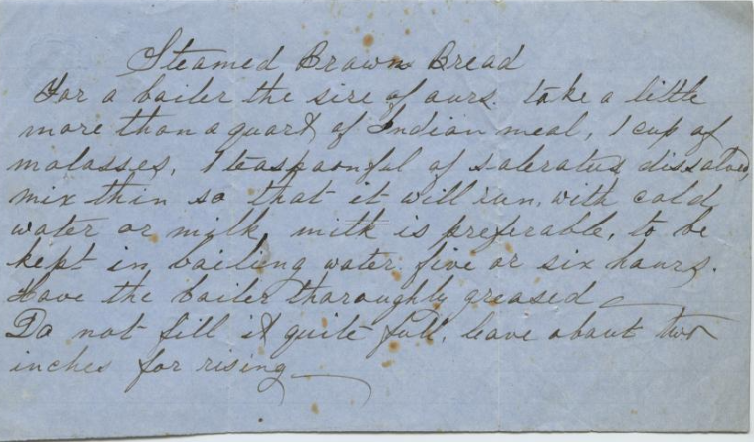
Molasses, a by-product of sugar production, was shipped to Mount Desert Island and across Maine in barrels called hogsheads. Molasses was featured in everything from baked beans, brown bread, and gingerbread to medicinal tinctures, pickles, candy, and smoked meats. The recipes below are from the Ellsworth American newspaper and popular cookbooks likely used by local families.
Rum
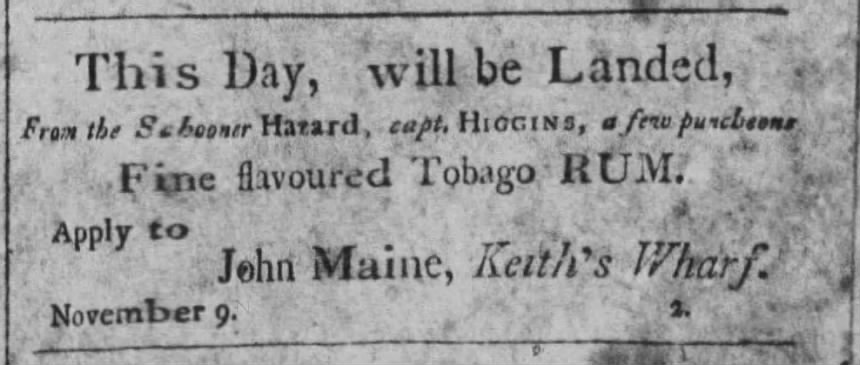
The schooner Hazard captained by Israel Higgins, one of the first colonists of Eden (later renamed Bar Harbor) unloaded a cargo of Tobago rum in South Carolina, 1805.
Called “Kill-Devil” and “Rumbullion,” rum production was thriving in the Caribbean by the mid-seventeenth century as a way to profitably use the waste products of sugar production. Rum was used as currency in the Atlantic slave trade and as payment for sailors. By the early years of Maine statehood, several sugar refineries and rum distilleries were established in Portland, Maine, and sold their products across the region. Rum was so disruptive to local communities that Maine led the nation in enacting Prohibition in 1851, nearly 70 years before the rest of the country.
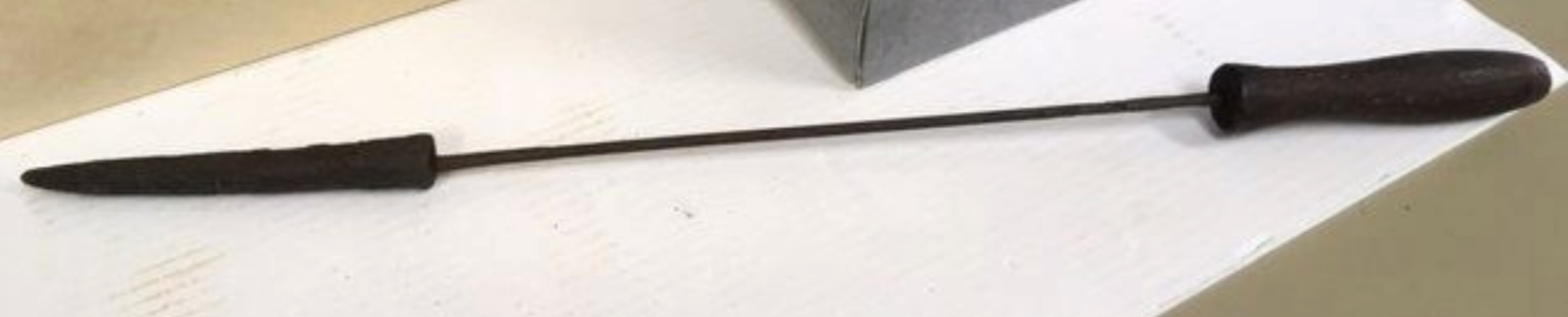
Taverns across New England used rum, sugar, and molasses in a variety of drinks. Molasses was mixed with water, beer, and with rum itself to make a drink called “blackstrap. Another drink which combined beer, molasses, and breadcrumbs, served hot, was aptly named “whistle-belly-vengeance.” Other drinks of the era included “stonewall” made with cider and rum, and “bellows-top,” a concoction of beer sweetened with either sugar, molasses, or dried pumpkin, then heated with a hot iron to which was added a raw egg. Hot toddies made with rum and butter, and flip, which was beer, sweetener, and rum were also heated using a hot iron tool purpose-made for heating drinks like the one below from Bass Harbor.
Salt and Saltfish

Shipping news: the schooner Hazard from Mount Desert Island, loaded with salt from Turks Island.
Besides sugar and its derivatives, salt was an important commodity in the coasting trade. MDI fishermen needed a huge amount of salt for the cod fishing industry to cure and dry their catch, and Turks Island was the primary producer of salt in the Caribbean. Following colonization and the collapse of the Lucayan Indigenous community on the Turks and Caicos Islands, the English brought enslaved Africans to work in the salt industry.
We can learn from the 1831 autobiography of Mary Prince, a once-enslaved woman from Turks Island, about her daily life in the salt works:
Our feet and legs, from standing in the salt water for so many hours, soon became full of dreadful boils, which eat down in some cases to the very bone, afflicting the sufferers with great torment. We came home at twelve; ate our corn soup…. as fast as we could, and went back to our employment till dark at night. We then shovelled up the salt in large heaps, and went down to the sea, where we washed the pickle from our limbs, and cleaned the barrows and shovels from the salt. When we returned to the house, our master gave us each our allowance of raw Indian corn, which we pounded in a mortar and boiled in water for our suppers.
We slept in a long shed, divided into narrow slips, like the stalls used for cattle. Boards fixed upon stakes driven into the ground, without mat or covering, were our only beds. On Sundays, after we had washed the salt bags, and done other work required of us, we went into the bush and cut the long soft grass, of which we made trusses for our legs and feet to rest upon, for they were so full of the salt boils that we could get no rest lying upon the bare boards.
--Sometimes we had to work all night, measuring salt to load a vessel; or turning a machine to draw water out of the sea for the salt-making. Then we had no sleep—no rest—but were forced to work as fast as we could, and go on again all next day the same as usual.
Taken to London by her fifth enslaver, Mary Prince liberated herself by researching her status as a free woman in England and courageously left her bondage.
Maine farms sent vegetables, butter, and meat to the Caribbean islands but dried cod was one of the most important exports, providing cheap protein for plantation workers. Jamaica’s beloved national dish of ackee and saltfish is based on two ingredients used since the time of enslavement. Ackee is the fruit surrounding the seedpod of the Blighia sapida tree brought to Jamaica by enslavers. Saltfish refers to the dried cod of the nineteenth century brought by Maine fishermen and traders.

Shipping news: brig Nestor arrived in Mobile from Jamaica.
The MDI brig Nestor made four voyages to Jamaica in 1823, 1824, 1825, and 1826 under Captain Spurling of Cranberry Island. She likely carried dried cod caught in the waters surrounding Mount Desert Island, trading for sugar, rum, and molasses. Jamaica’s history of slavery began in the sixteenth century when the Indigenous Taino were enslaved by the Spanish invaders. The British took control from the Spanish in 1655, and eventually close to two million Africans were enslaved there.
Resistance to the brutality of enslavement was constant and everywhere throughout the Caribbean and took many forms. Slowed work, arson, damage to machinery, keeping cultural traditions and primary languages alive, physically fighting back, and escaping were all tactics of resistance. The Right Excellent Deacon Samuel Sharpe led a massive rebellion of enslaved people beginning on Christmas Day, 1831 near Montego Bay in Jamaica. This uprising ultimately brought about the end of enslavement in Jamaica, though Deacon Sharpe was executed by the government for his leadership role.

Destruction of the Roehampton Estate, January 1832, during the Baptist War, by Adolphe Duperly
This New England pumpkin pie recipe called for “good, clean sugar,” which was brought to Maine by the international trade in slavery-produced goods:
Pare a pumpkin, and take the seedy part of it out; then cut it in slices; Pare and core a quarter of an hundred of apples, and cut them in slices. Make some good Paste with an Egg, and lay some all around the Brim of the Dish; lay half of a pound of good, clean Sugar over the bottom of your Dish, over that a Layer of apples, then a Layer of Pumpkin, and again &c untill the Pie is full, and all the remaining Sugar on the Top. Bake it half an hour, and before you send it to the Table, cut it open and put in some good fresh butter.
But not everyone thought sugar was good or clean.
In concert with persistent uprisings across the Caribbean and the American South, protests against the sugar trade formed the earliest wide-spread consumer boycott. Black activists such as shopkeeper David Ruggles in New York and poet Frances Ellen Watkins Harper in Philadelphia were leaders in the “Free Produce” movement of the 1830s, which sought to end slavery by eliminating demand for its products. The group advocated buying foodstuffs and importantly cloth and clothing made by free workers.
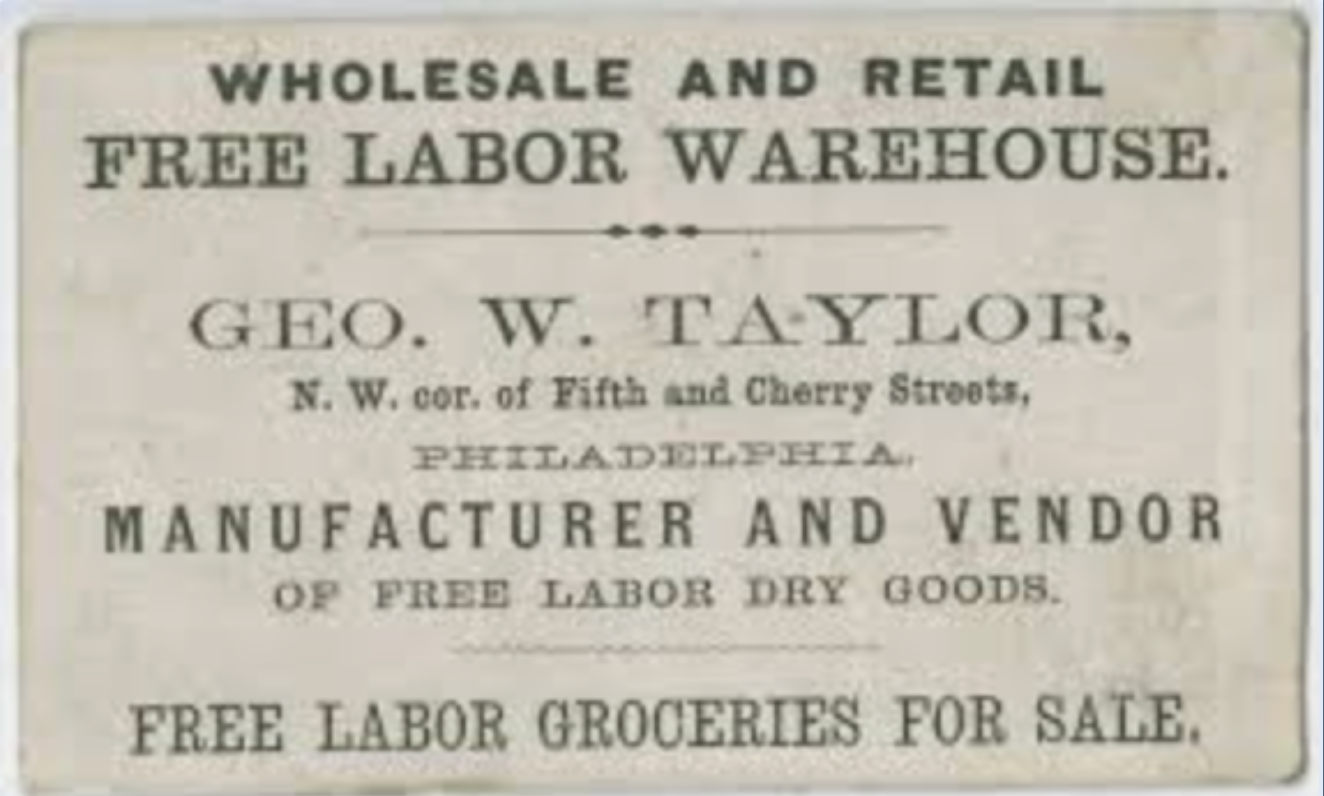
Free Labor Warehouse advertisement, the Library Company of Philadelphia
Legal enslavement in most of the Caribbean came to an end during the first half of the nineteenth century following fierce battles for liberation. Low pay and overwork on sugar plantations and forced “apprenticeship” schemes persisted, despite the legally free status of laborers. The modern sugar industry continues to exploit Black laborers, with low pay, harsh working conditions and minimal labor protections maintaining the long-term vulnerability of these workers.
The flavors generated by the nineteenth century coasting and slavery trades remain on menus today. Foods long considered entirely local to Maine and New England such as baked beans and brown bread are better understood as international fare, with deep historical ties to the Atlantic trade in enslaved people. Maine ship captains and seafarers brought these ingredients home to an eager market.
About the Author

Anna Durand, Independent Researcher
Anna Durand lives in Hulls Cove and is a dedicated student of local history. Her research focuses on nineteenth-century shipbuilding, seafaring, and the connections between Mount Desert Island and the slavery-based economies of the Caribbean. Her recent research has centered on Captain Frederick Allen, a prominent Black mariner who commanded schooners along the Eastern Seaboard, built a farm and raised a large family on Mount Desert Island, and navigated the dangers faced by free Black seamen in the decades before the Civil War. Through Allen’s story, Durand explores both the lives of Black mariners in nineteenth-century Maine and the ways their presence can be obscured or erased from the historical record.