Interco(a)stal Researchers
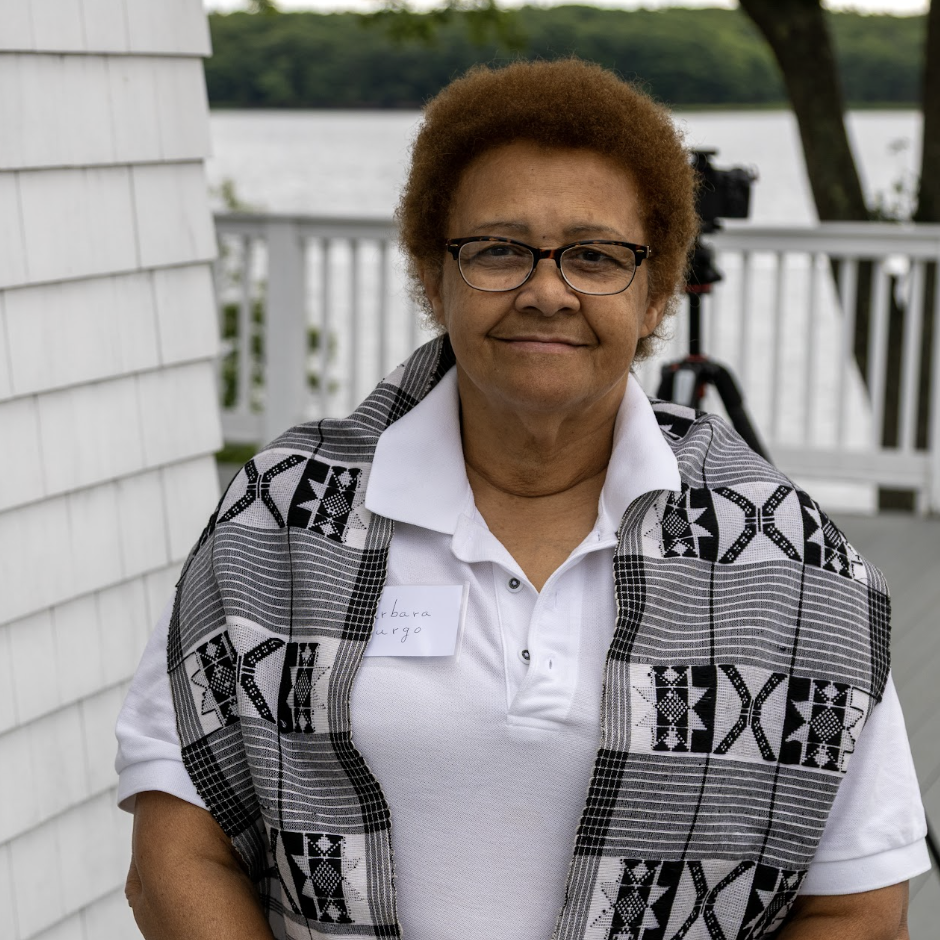
Barbara Burgo
Barbara Monteiro Burgo is the Co-founder and Curator of the Cape Cod Cape Verdean Museum and Cultural Center, Inc. which became a 501(c)(3) non-profit in 2019. Barbara graduated in 2005 as a non-traditional student from Rhode Island College with a B.A. in Cultural Anthropology and a minor in Women’s Studies. While serving a term as the Massachusetts President of American Association of University Women she began course work toward a Master’s Certificate in Gerontology at UMASS Boston. She relocated to Cape Cod in 2012 and served as Chair of the Barnstable County Human Rights Commission while making plans to establish the Harwich Cape Verdean Museum. This initiative grew to become the Cape Cod Cape Verdean Museum and Cultural Center, now located in East Falmouth.
Co-founder, Cape Cod Cape Verdean Museum and Cultural Center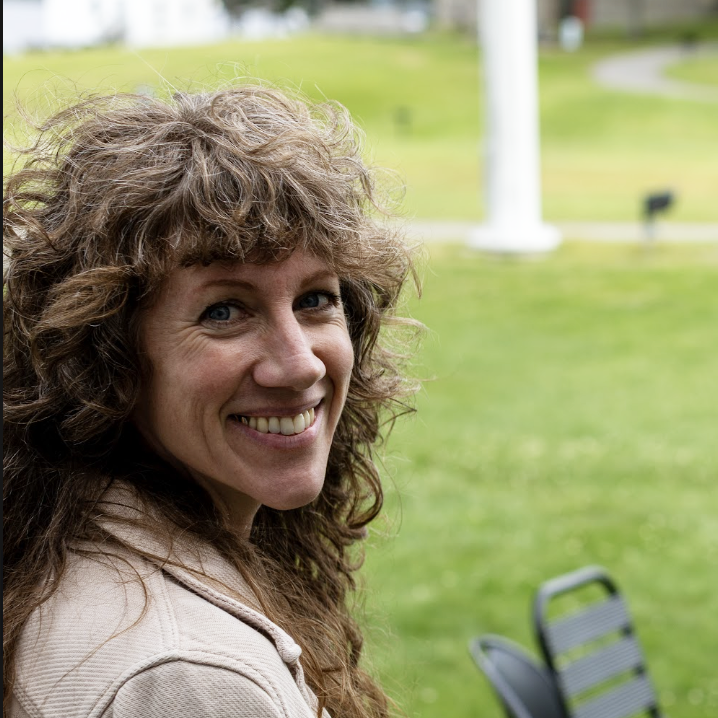
Michele Christle
Michele Christle is a writer and community researcher whose work explores culture, ecology, history, and place. Her writing has appeared in publications including The Kenyon Review, Down East, and Cultural Survival Quarterly, and she has worked with organizations such as Maine Sea Grant, Maine Audubon, StoryCorps and Atlantic Black Box’s WHERE. The recipient of a LEF/CIFF Fellowship and residencies at Hewnoaks and Shannaghe, Michele is currently working on a writing and documentary project about eels, and writes a newsletter called Tinker on the Marsh, documenting her research and explorations in and around the tidal marsh where she lives. Read her work at www.tinkeronthemarsh.com
Independent Researcher, Prospect & Frankfort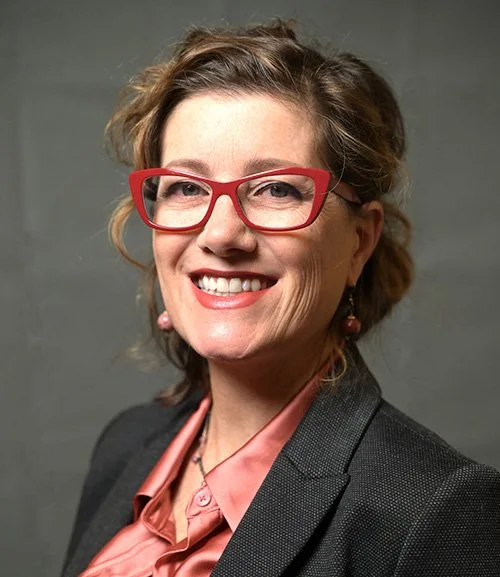
Founding Executive Director, Atlantic Black BoxMeadow Dibble
Meadow Dibble, Ph.D. is founding Executive Director of Atlantic Black Box (ABB) and convener of ABB’s ongoing Walks for Historical and Ecological Recovery (WHERE). Originally from Cape Cod, Meadow lived for six years on Senegal’s Cape Verde peninsula, where she co-founded and published a cultural magazine from 1996–2000. She received her doctorate from Brown University’s Department of French Studies and taught at Colby College from 2005–08. A Visiting Scholar at Brown University’s Simmons Center for the Study of Slavery and Justice from 2019–2023, Meadow served as Co-Lead on the Place Justice initiative, carried out in partnership with the Permanent Commission on the Status of Racial, Indigenous, and Tribal Populations.
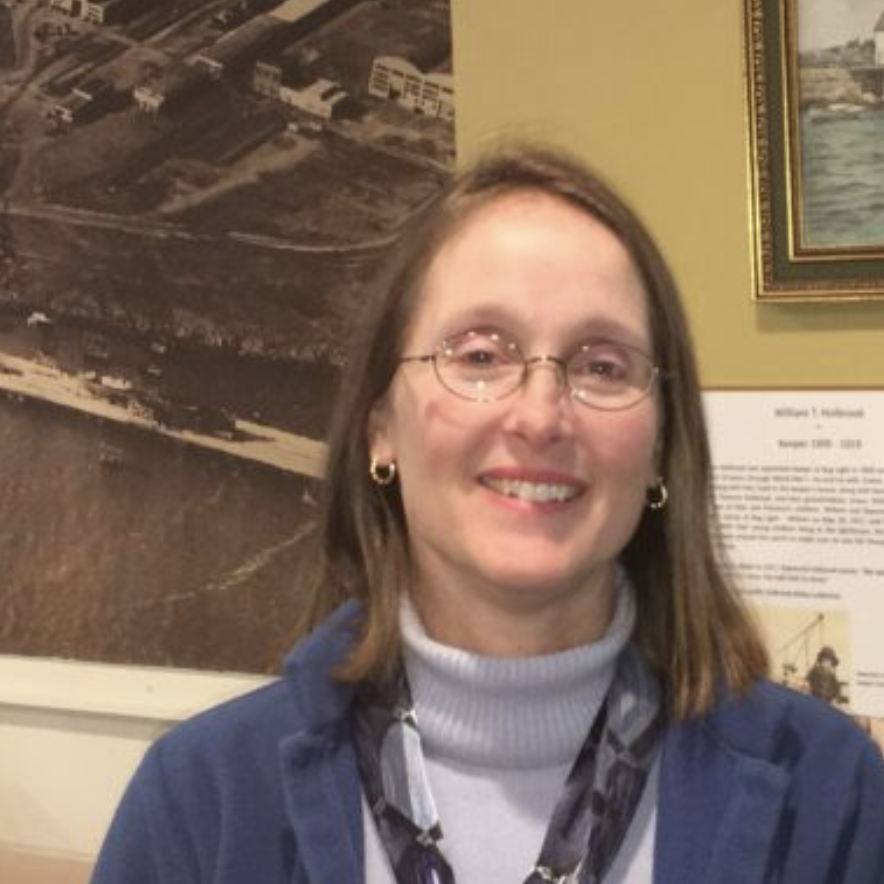
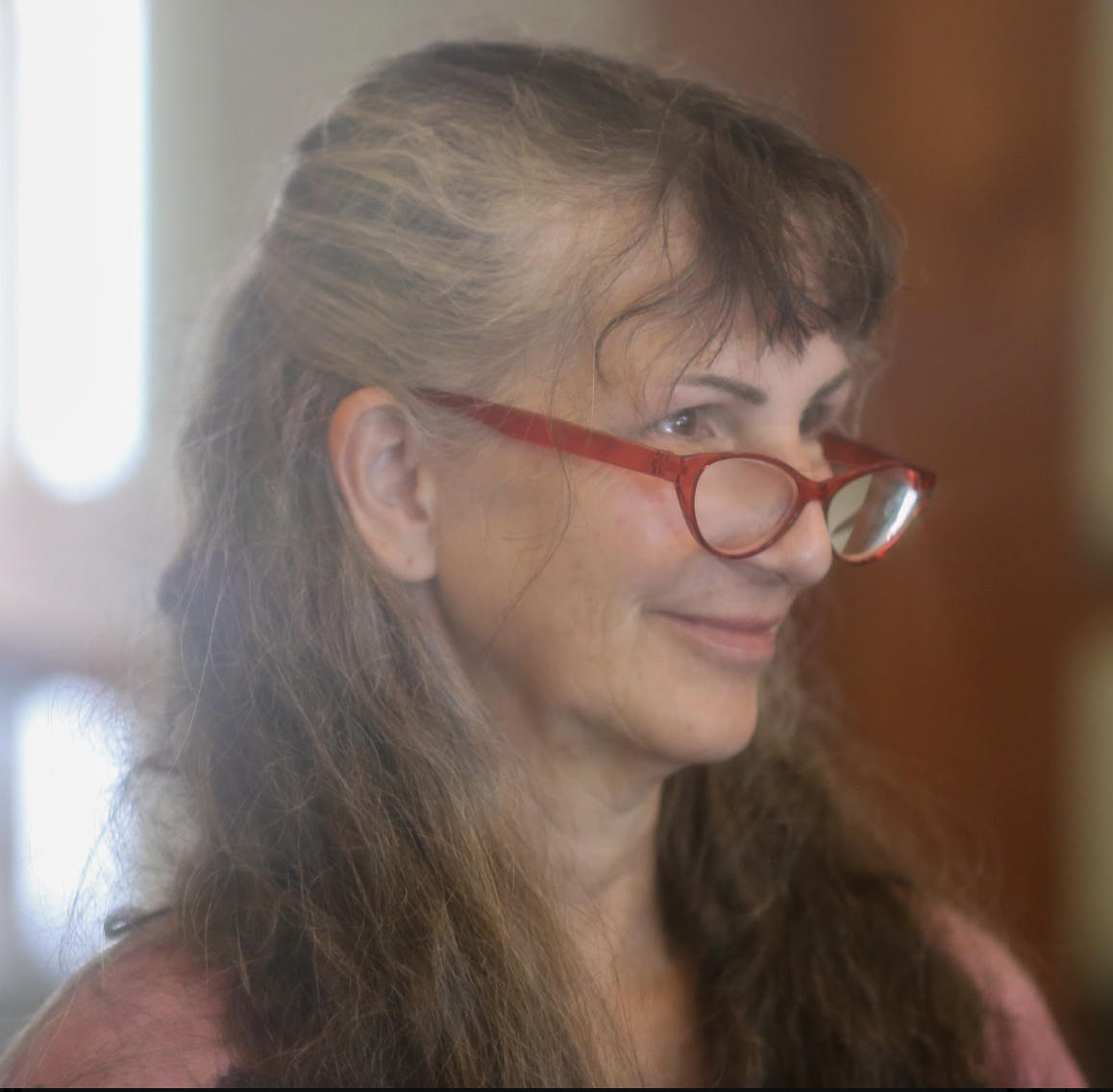
Anna Durand
Board member, Mount Desert Island Historical SocietyAnna Durand lives in Hulls Cove and is a dedicated student of local history. Her research focuses on nineteenth-century shipbuilding, seafaring, and the connections between Mount Desert Island and the slavery-based economies of the Caribbean. Her recent research has centered on Captain Frederick Allen, a prominent Black mariner who commanded schooners along the Eastern Seaboard, built a farm and raised a large family on Mount Desert Island, and navigated the dangers faced by free Black seamen in the decades before the Civil War. Through Allen’s story, Durand explores both the lives of Black mariners in nineteenth-century Maine and the ways their presence can be obscured or erased from the historical record.
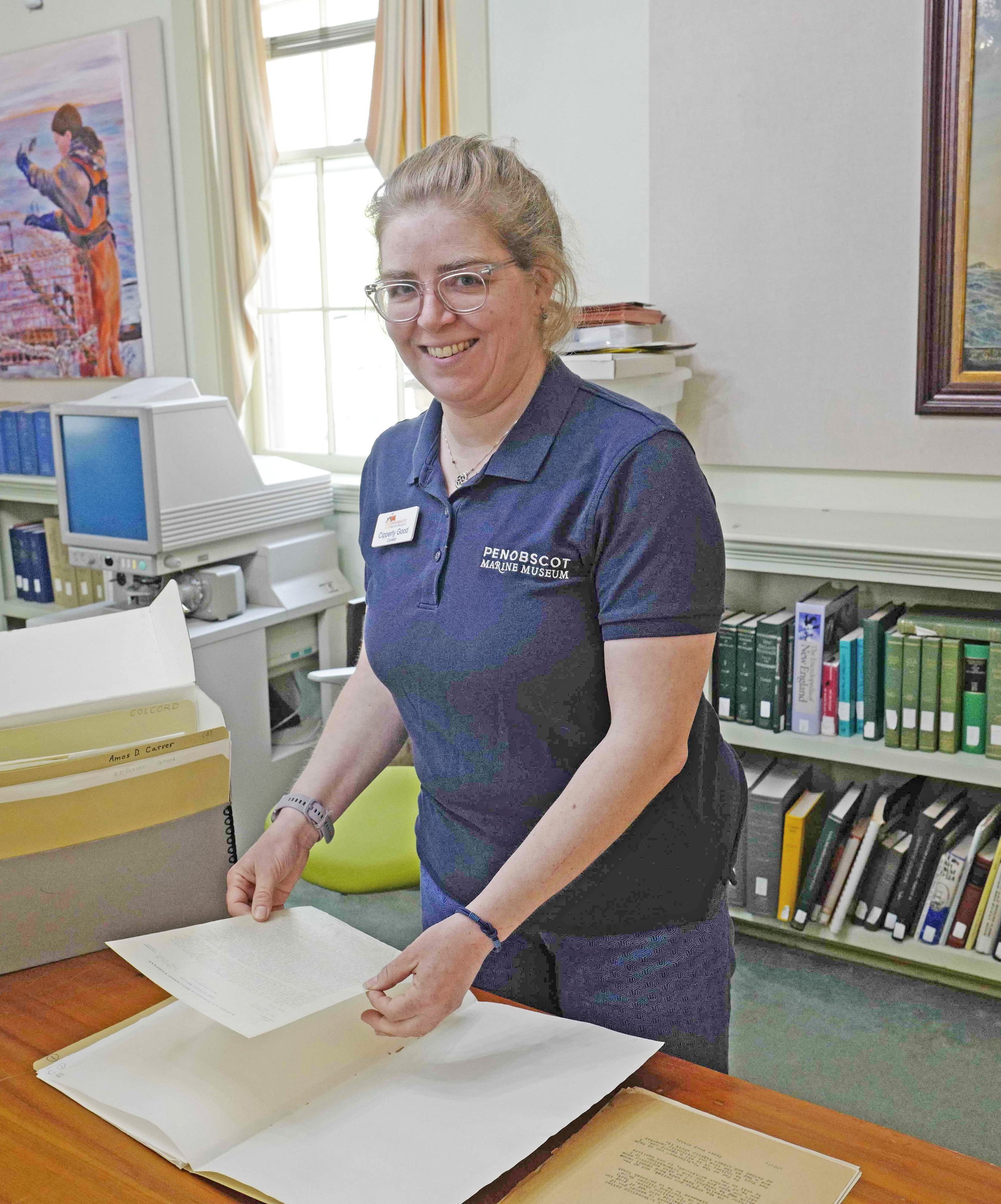
Cipperly Good
Curator of Maritime History, Penobscot Marine MuseumCipperly Good serves as the Richard Saltonstall Jr. Curator of Maritime History at Penobscot Marine Museum, where she has been on staff since 2010. In her many roles at the Museum, Cipperly preserves and provides access to the object, archive, and library collections. She previously served as the Maine Archives and Museums board president and is a contributor to the Atlantic Black Box blog. Cipperly holds a Bachelor’s degree from Colby College in Waterville, Maine, where she double majored in History and American Studies; she additionally holds a Masters of Arts in Museum Studies, with a concentration in American History, from The George Washington University.
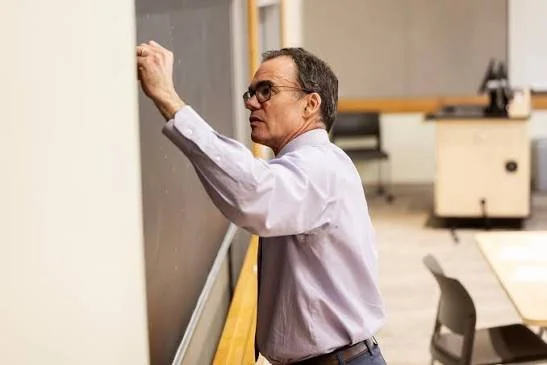
Joseph M. Hall, Jr.
Professor of History, Bates CollegeJoe Hall, Ph.D is Associate Professor of History at Bates College whose research and teaching focus on Native American history and Indigenous-European relations before 1850. His recent work explores how Wabanaki peoples have sustained relationships with their homelands despite centuries of colonial dispossession. He teaches a course on Wabanaki history that brings students into Wabanaki communities and engages them in public history projects examining the longstanding and ongoing Wabanaki presence in Maine. Hall’s work is grounded in collaboration with Wabanaki scholars and in examining the historical blind spots that have obscured Indigenous presence, relationships to place, and continuity in the Dawnland.
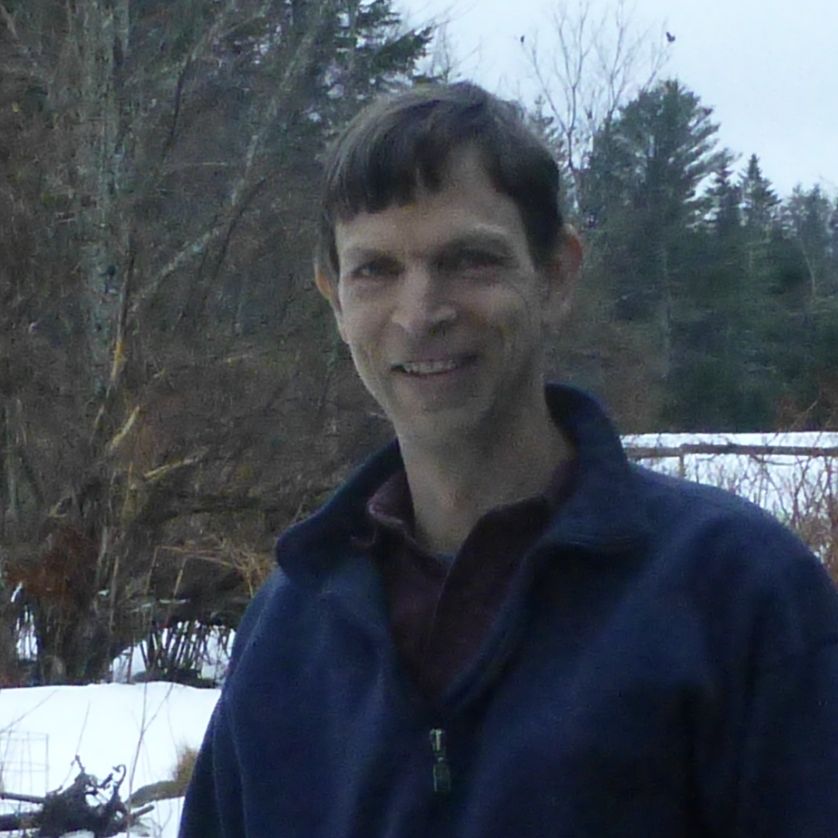
Alex Mann
Independent ResearcherAlex Mann is a retired Maine Department of Transportation geologist, surface water hydrologist, and hydraulic designer with a strong interest in researching people, communities, and stories that have been underrepresented in traditional histories. His recent research focuses on John Douglass, a remarkable Black musician who lived in nineteenth-century Frankfort, Maine. Working with others, Mann is bringing together scattered records to recover Douglass’s story, the many people with whom he was connected, and the community he helped to build.
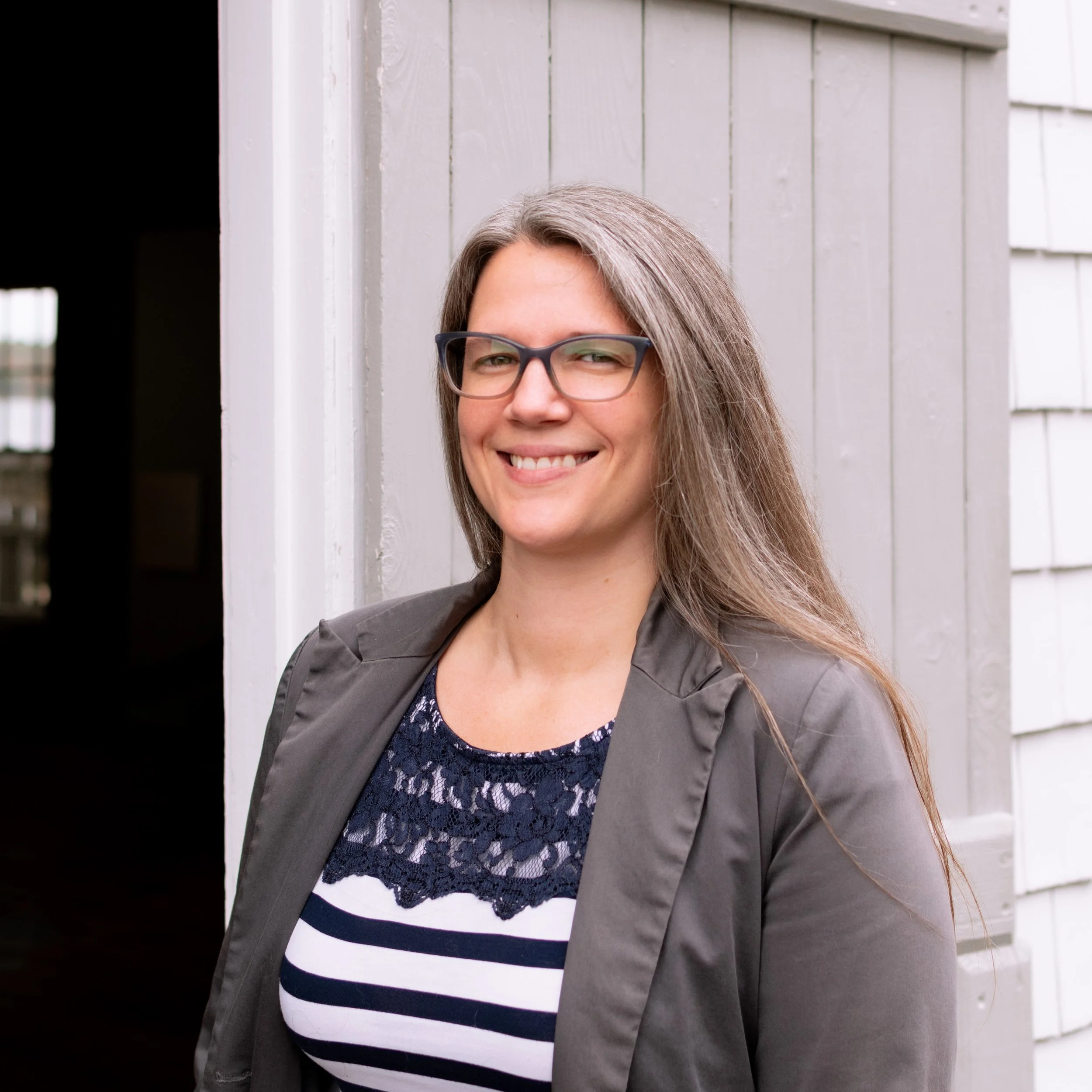
Kelly Page
Curator of Collections, Maine Maritime MuseumKelly Page is the Curator of Collections at Maine Maritime Museum, where she has served in various roles since joining the institution, including Library Assistant, Registrar, and Collections & Library Services Manager. In her current role, she oversees collections stewardship, historic preservation, and public access initiatives while contributing to interpretive research and content development across the museum's diverse exhibitions and programs. Before joining Maine Maritime Museum, Page worked at Bowdoin College's Hawthorne-Longfellow Library, the Pejepscot History Center, and the Maine State Archives. She holds a Bachelor of Arts in History and International Politics from Wheaton College in Massachusetts.
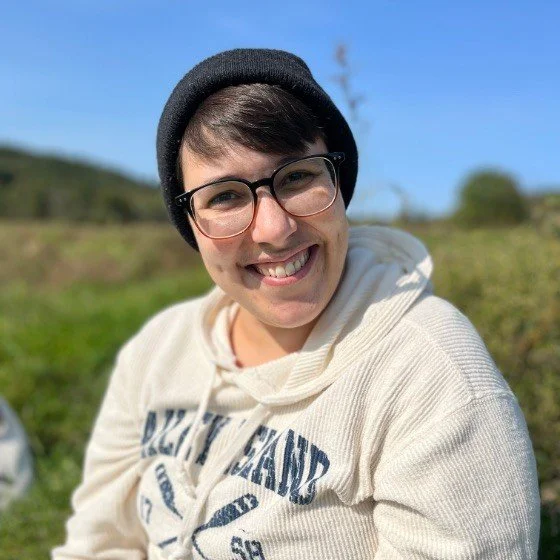
Kori Tanzer
Independent ResearcherKori Tanzer is a maritime historian and educator known for her work preserving and sharing the stories of Maine’s seafaring heritage. Her work involves archival research, interpreting historical documents, and connecting maritime history to broader cultural narratives. She has contributed to public forums, educational programs, and museum collaborations, including the Black and Indigenous Maritime Histories Internship at Mystic Seaport Museum, where she shared insights on inclusivity, collaboration, and visitor engagement. Her expertise bridges historical research and public outreach, making maritime history accessible to diverse audiences.
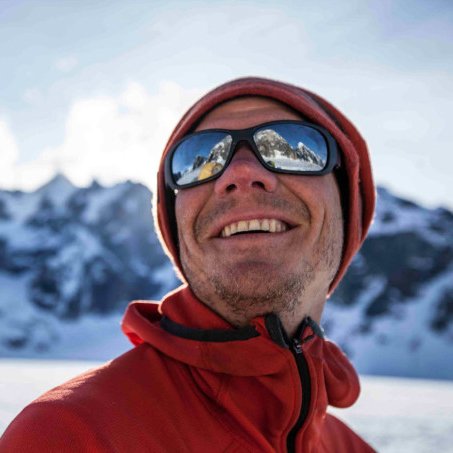
Freddie Wilkinson
Independent ResearcherFreddie Wilkinson is a writer, professional mountain guide, and adventurer whose work explores landscape, history, and human relationships with place. A longtime contributor to National Geographic and author of One Mountain Thousand Summits, he has undertaken expeditions around the world. In 2023, Wilkinson joined Penobscot paddler Ryan Ranco and Oneida paddler Neil Benedict in completing the Great Canoe Loop, a more than 1,800-mile, four-month journey following ancient Indigenous waterways and trade routes through the Northeast. Along the way, they paddled with Indigenous guides and were welcomed by Native communities throughout the region, exchanging knowledge about canoe traditions, waterways, and connections among communities. Wilkinson is currently documenting the living history of the canoe and the Indigenous knowledge embedded in these waterways.
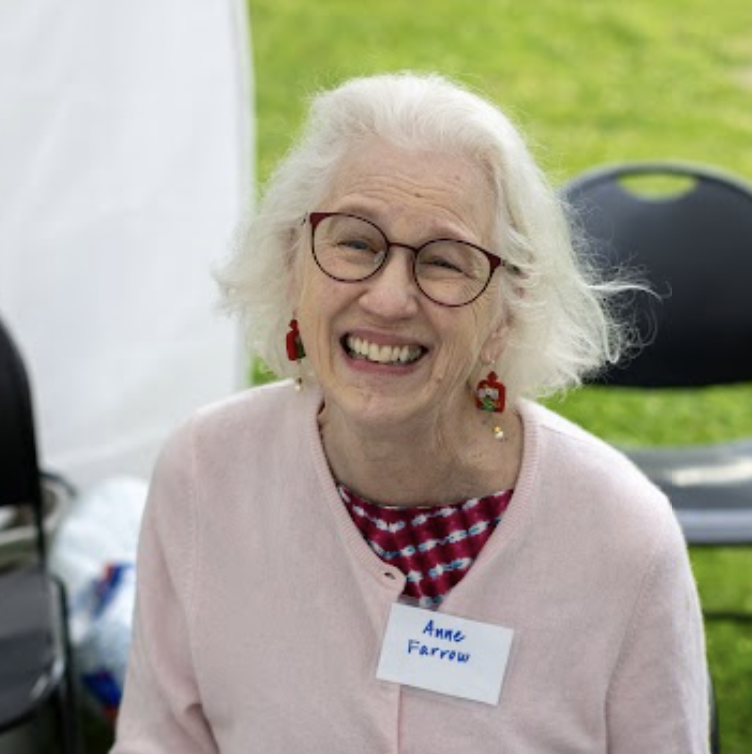
Anne Farrow
Author and Independent ResearcherAnne Farrow is an award-winning journalist, author, and independent historian whose work has transformed public understanding of New England's deep ties to slavery. A former reporter for The Hartford Courant and two-time Pulitzer Prize nominee, she is co-author of Complicity: How the North Promoted, Prolonged, and Profited from Slavery and author of The Logbooks. For more than two decades, Anne has collaborated with museums, historical societies, and scholars to uncover and interpret the histories of slavery, the slave trade, and racial injustice in the Northeast. Her public history work—including the award-winning exhibition A Vanished Port: Middletown and the Caribbean, 1750–1824—has helped reshape how museums and communities engage with these histories.
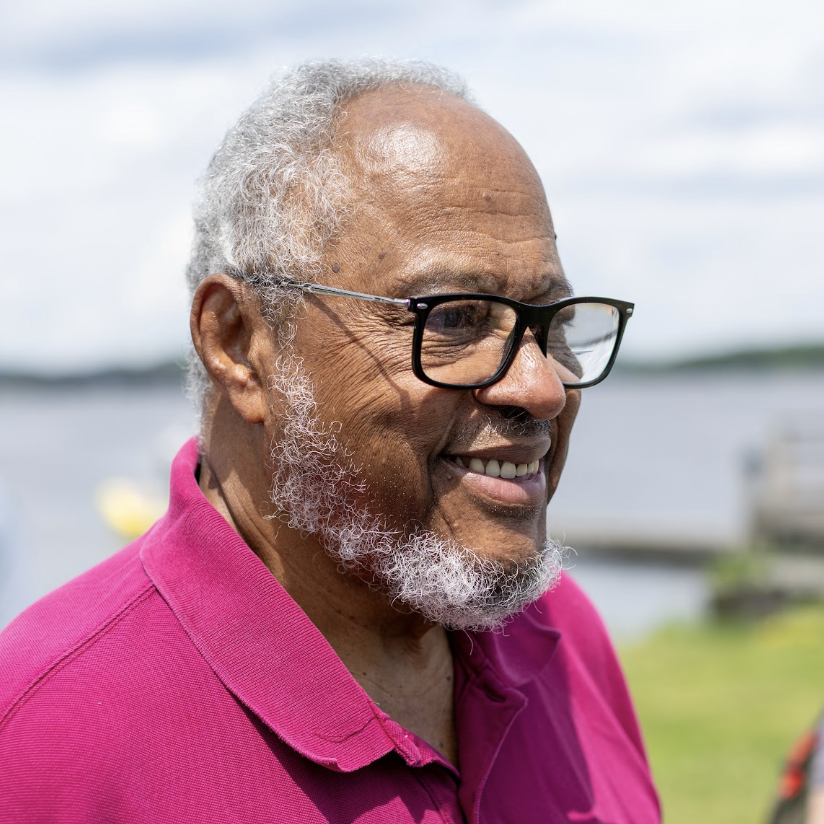
Bob Greene
Author and historianA native of Portland, Bob Greene is the eighth generation of his family to be born in Cumberland County. His roots in Maine stretch back into the 1700s. After graduating from Portland High, Bob went off to college and a career as a journalist, covering among other things airplane crashes, Mississippi River floods, and the funeral of Dr. Martin Luther King Jr. He has met three presidents. As The Associated Press Tennis Writer, Greene traveled the world covering the sport. After retiring, he returned home to Maine where his genealogical research has led to his deep knowledge about Maine’s Black history. Greene is the 2021 recipient of the Maine Historical Society’s Neal Allen Award.
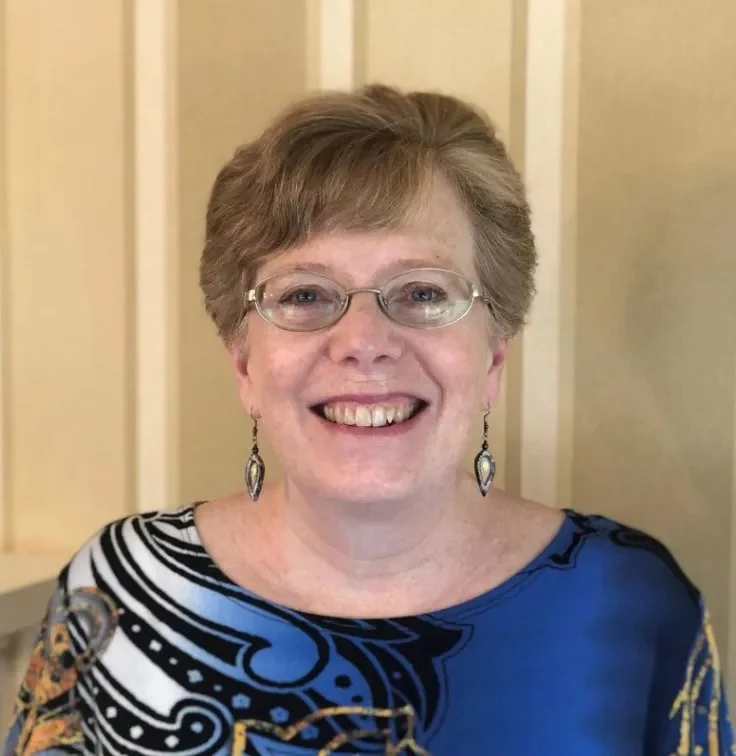
Lisa Lutts
Independent ResearcherLisa Lutts recently retired from a 40-year career leading history museums in the Northeast, most recently the Castine Historical Society in Castine, ME. In 2020, Lisa became involved with ABB as a citizen historian researching, writing, and speaking about Castine’s hidden African American history and complicity with slavery through the maritime cotton and cod trades that brought great wealth to the town. Through her leadership at the Castine Historical Society, she brought this history to the public through a year-long lecture series, historic walking tours, and the creation of a five-week learning unit on Castine’s African American history for the local school. Lisa received her undergraduate degree in Art History from the University of Tennessee and a masters degree in Art History and Museum Studies from George Washington University.
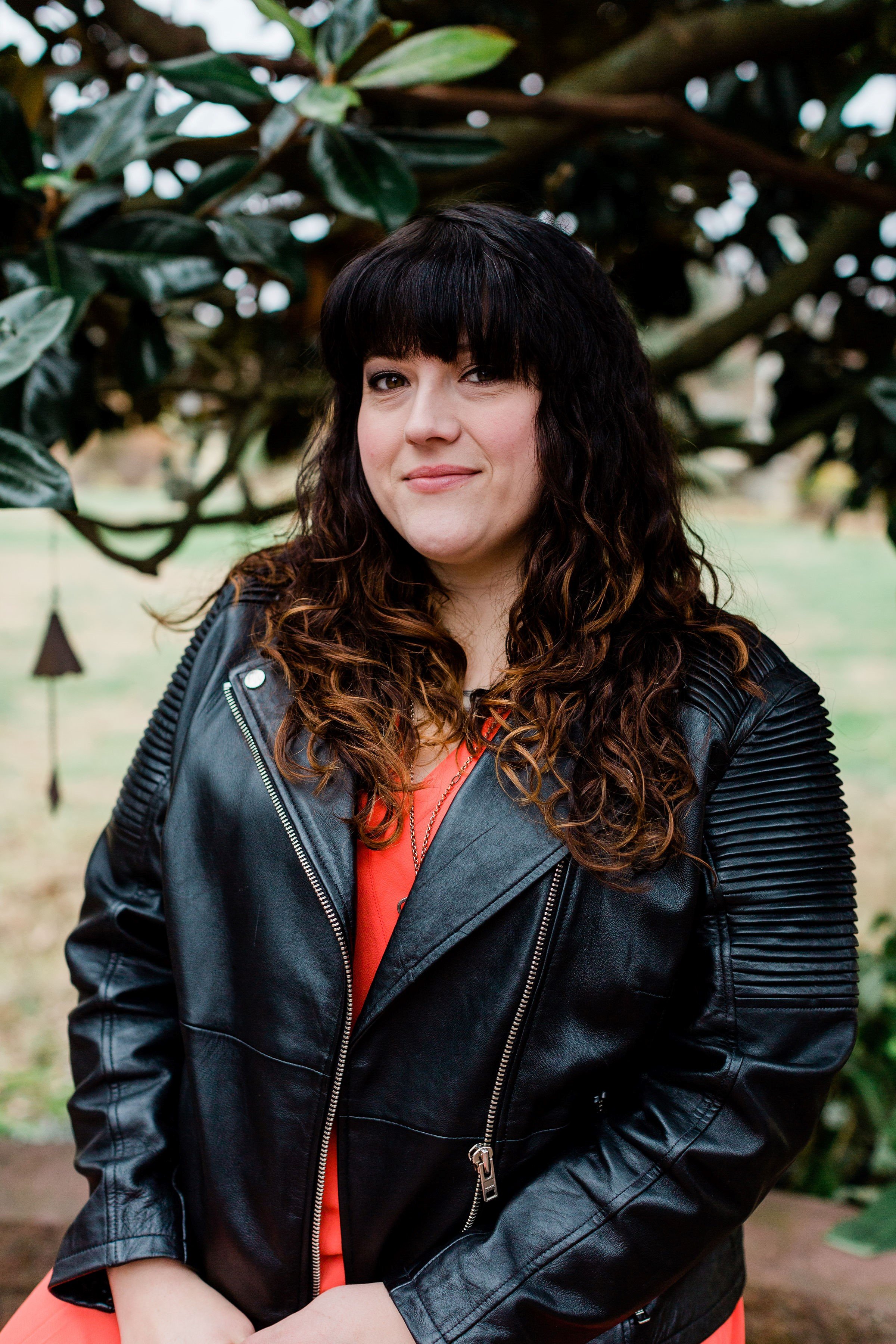
Kate McMahon
Executive Director, Castine Historical SocietyKate McMahon, Ph.D. is the Executive Director of the Castine Historical Society. She also serves on the Operational Committee of SlaveVoyages.org and is a co-founder and board member of Atlantic Black Box. She received her B.A. in Art History and M.A. in American and New England Studies from the University of Southern Maine. She completed her Ph.D. in History at Howard University in 2017. Her current research explores New England’s connections to and complicity in the illegal slave trade and colonialism, 1809-1900.
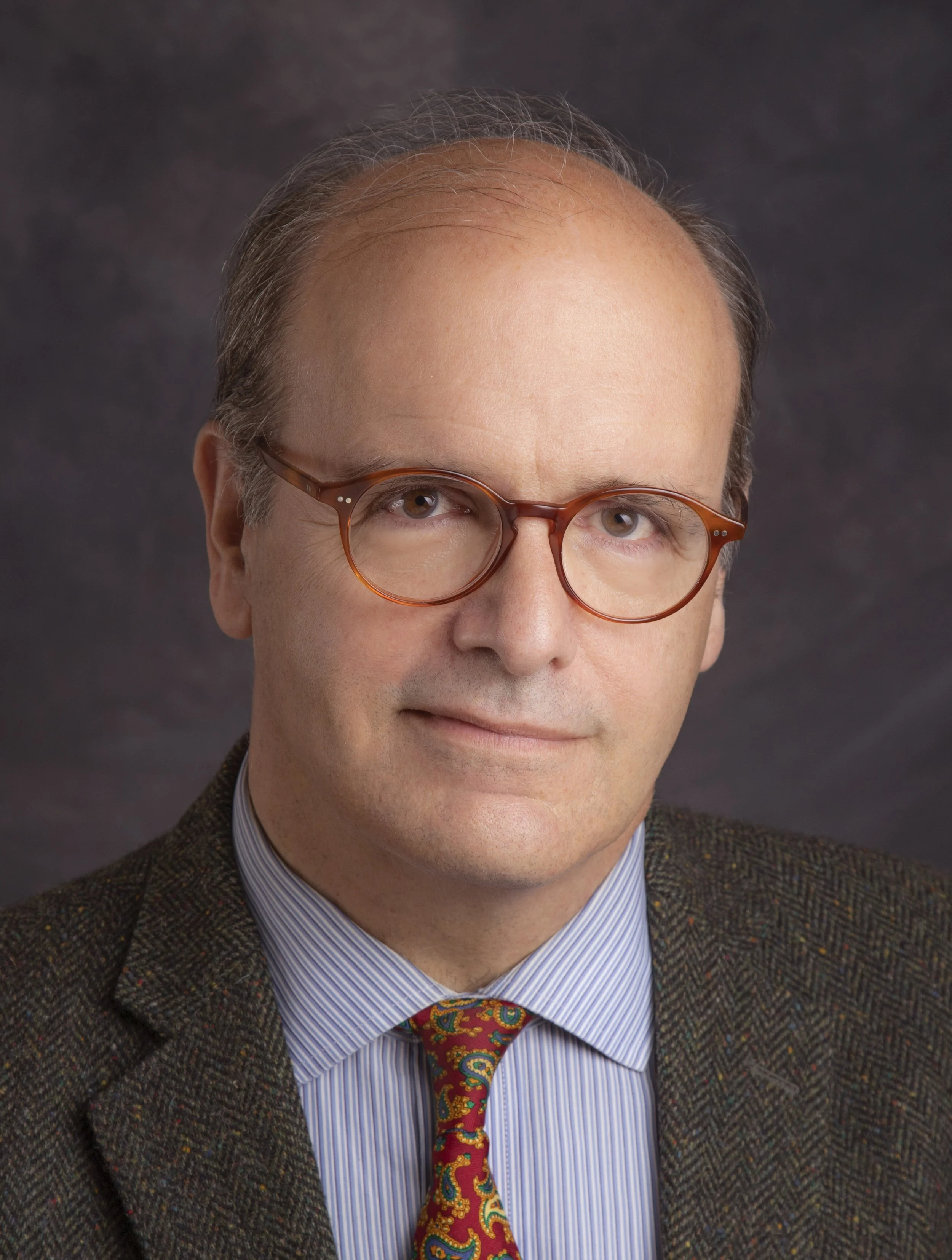
Lincoln Paine
Author and maritime historianLincoln Paine is a visiting scholar at the Center for Oceans and Coastal Law, University of Maine School of Law, and president of the North American Society for Oceanic History (NASOH). His books include the award-winning The Sea and Civilization: A Maritime History of the World, Down East: An Illustrated History of Maritime Maine, and Ships of the World: An Historical Encyclopedia. He has published more than 100 articles, chapters, and reviews for peer-reviewed and generalist publications, including the The Mariner’s Mirror, International Journal of Maritime History, and Wall Street Journal. He is currently writing a maritime history of indigenous North America. Learn more at LincolnPaine.com
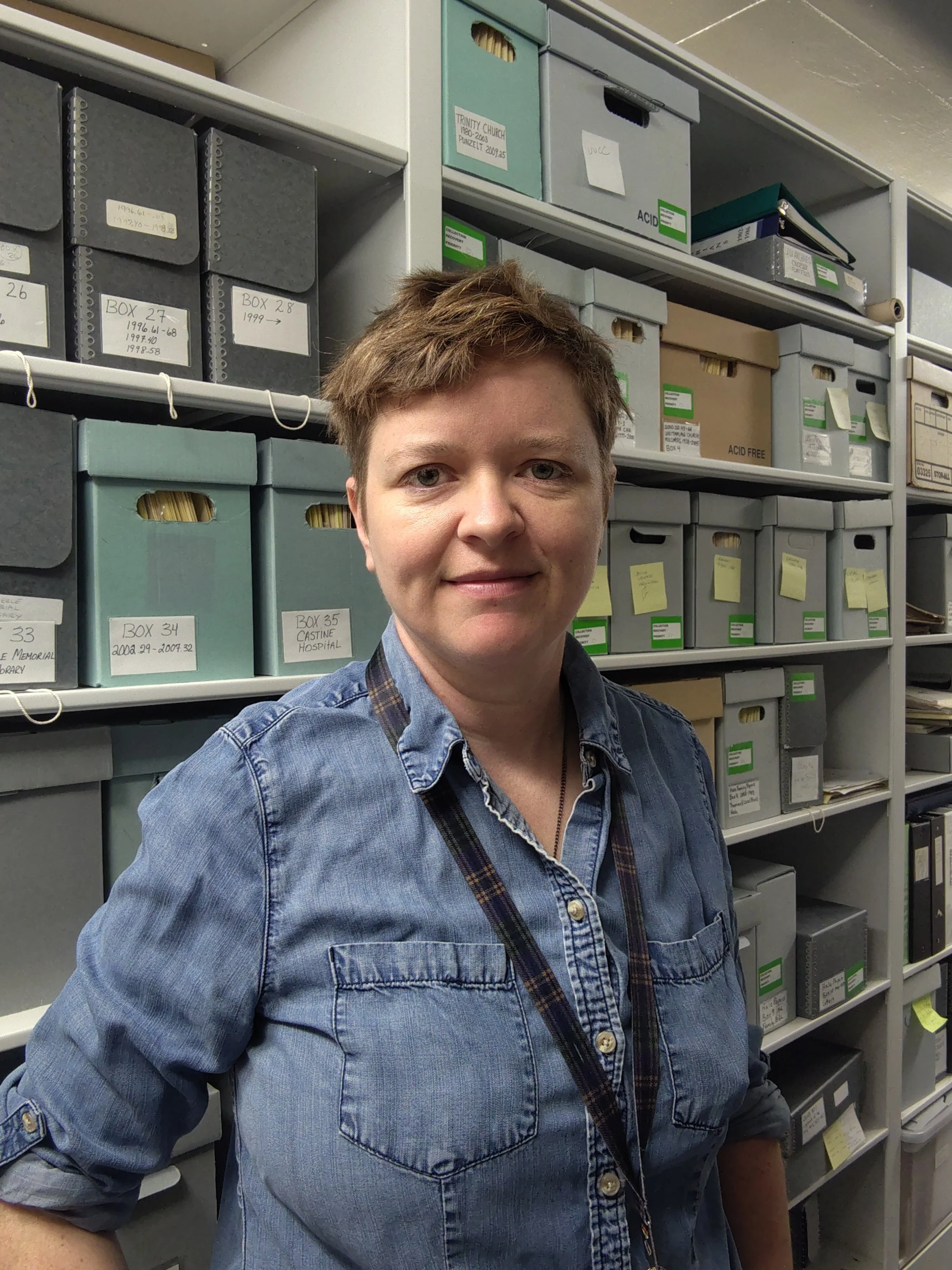
Jules Thompson
Collections Manager, Castine Historical SocietyJules Thompson is the Collections Manager at the Castine Historical Society. She holds advanced degrees in Mediaeval History and Archeology from the Universities of St Andrews and Oxford, UK, and a MLIS from Simmons University in Boston. In 2013 she completed a traineeship in digitization and digital archives with the National Archives UK, and went on to work for 4 years as Digital Access Officer with The Record Office for Leicestershire, Leicester and Rutland. Back in the U.S., she worked from 2017-2022 with the Congregational Library & Archives in Boston, first in a CLIR grant-funded role publishing collections for the “New England’s Hidden Histories” digital humanities project, and later as the Library’s Associate Archivist.
James Eric Francis Sr.
Kathryn Onos DiPhilippo, Executive Director, South Portland Historical Society. An author and publisher of several local history books, Kathy joined the Society as its historian in 2004. She negotiated with Portland Pipe Line for its donation of the Cushing's Point House, executed a capital campaign, oversaw the building move and site development, and curated the exhibits to create the Cushing's Point Museum that opened in 2009. In addition to her role as executive director, Kathy conducts ongoing research, writes a weekly history column, and assists with research inquiries. She also oversees the Society's archives, and provides content and management of its Online Museum and Research Library.
Art Director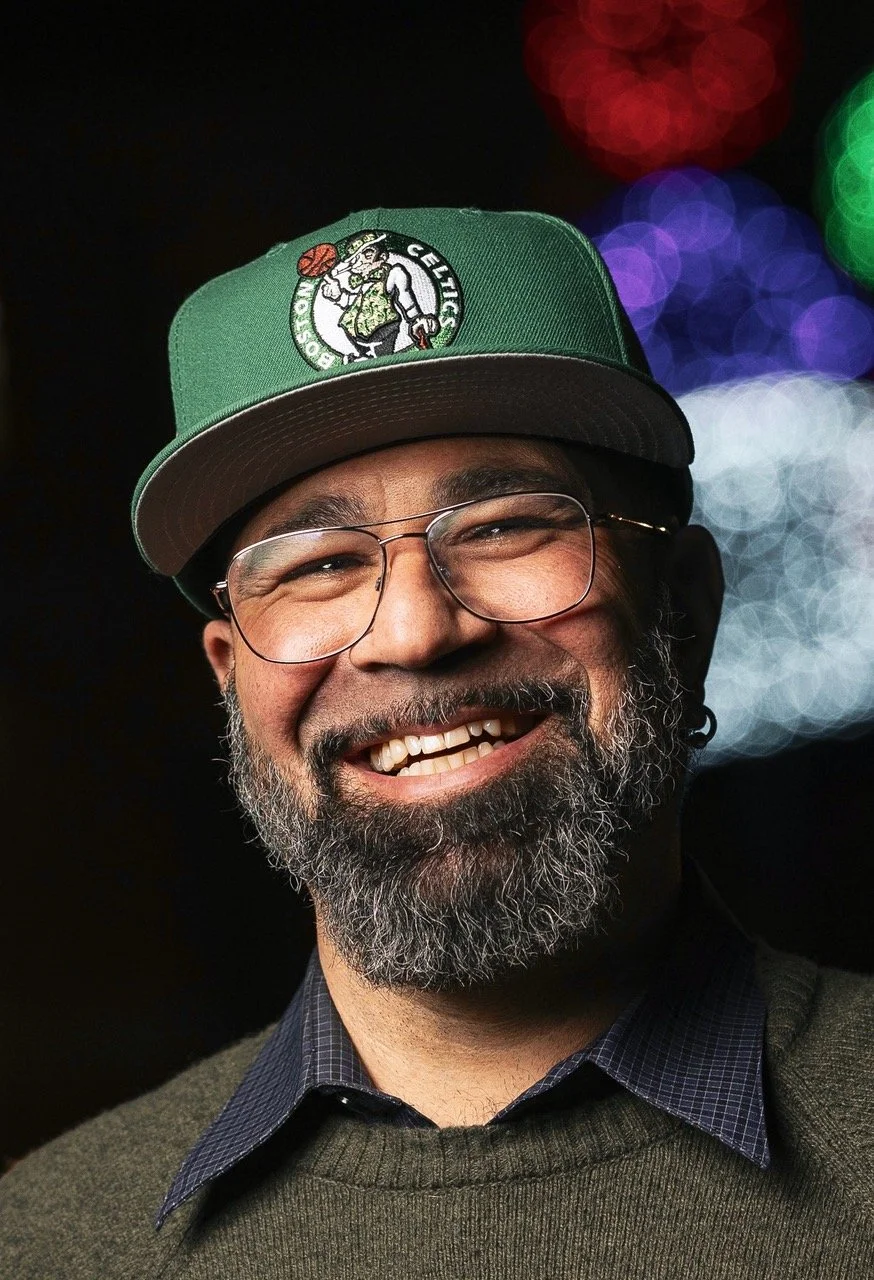
Seth Goldstein
Director of Cushing’s Point MuseumSeth Goldstein grew up on Cape Cod where he developed his passion for maritime history. He received his bachelor’s degree in European History from the University of California at Santa Cruz and his master’s degree in World History from Northeastern University. He has taught at the University of New England, Southern Maine Community College and the Maine College of Art and Design. His research and writing has been featured in exhibits at the Maine Historical Society, Portland Museum of Art and Maine Maritime Museum. He is currently Director of Development for the South Portland Historical Society and Director of the Cushing’s Point Museum at Bug Light Park.
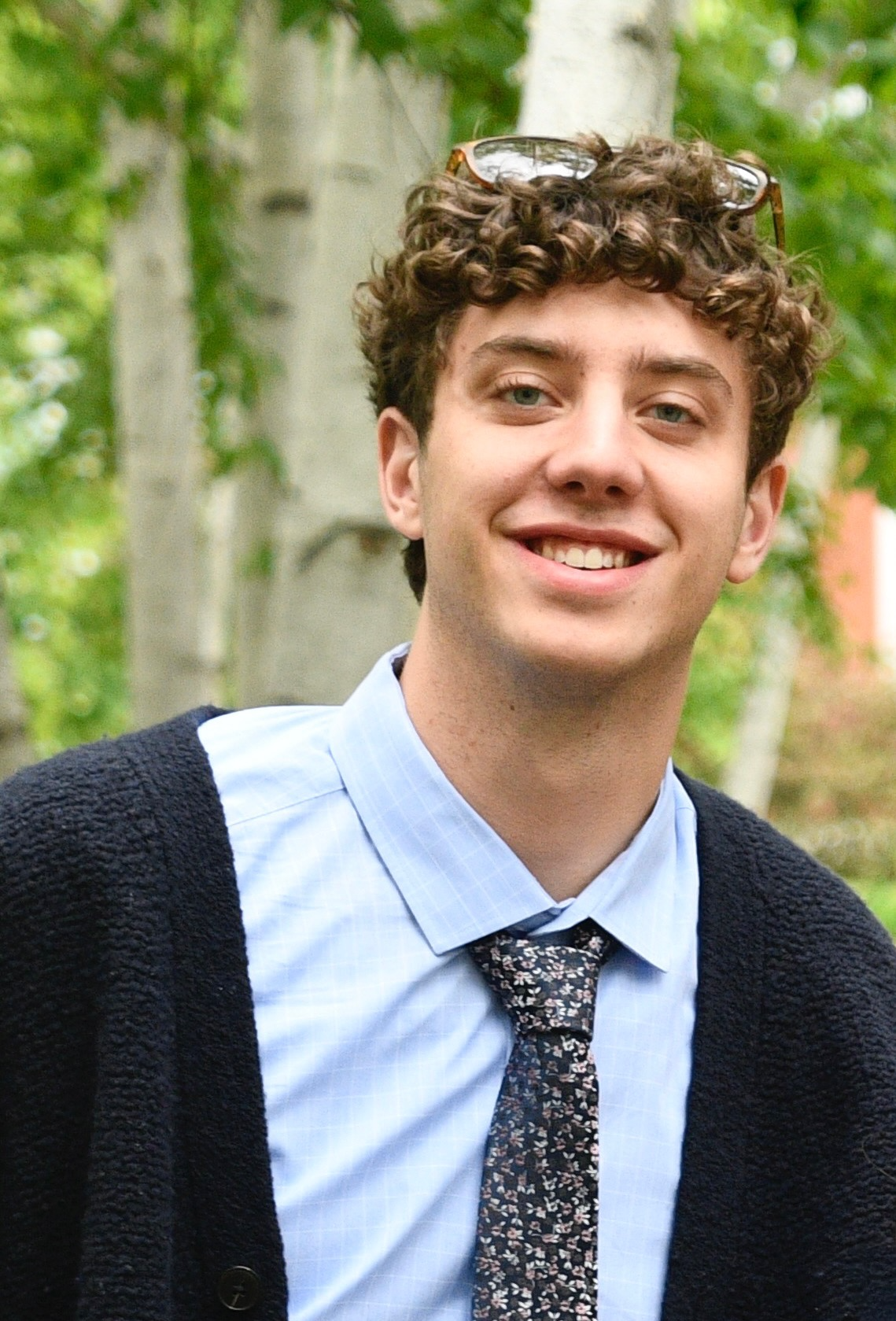
Nate Hagedorn
Bowdoin College SeniorNate Hagedorn is a senior at Bowdoin College majoring in Africana Studies and Psychology, and a Maine native from Yarmouth. After working as a curatorial intern at the Smithsonian National Museum of African American History and Culture, and supporting the museum’s Slave Wrecks Project, Nate brings to Interco(a)stal a breadth of knowledge surrounding the African diaspora and the history of the Atlantic World. His current research explores how Maine’s shipbuilding and seafaring is tied to the domestic and international slave trade. Exploring these legacies has led him to discover personal stories and experiences of 18th and 19th-century Black communities in Maine. Nate brings archival research skills, public history experience, and a personal connection to Maine's coastal history to the project.
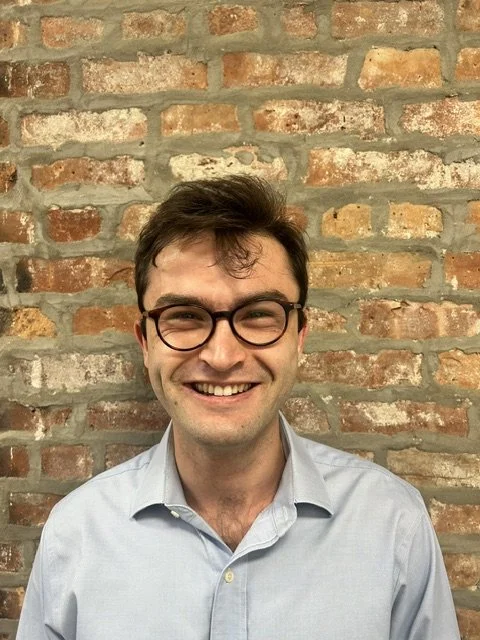
Winslow MacDonald
Independent ResearcherWinslow MacDonald is originally from midcoast Maine. He studied history and political science at Columbia University, where he graduated in 2022. His research focuses on the history of U.S. imperialism in Samoa and Hawaii, and as a descendant of Bath’s prominent Sewall family, he has a particular interest in genealogy and family history. Winslow’s creative writing and poetry have appeared in several publications, as has his research on the history of the eugenics movement in Maine, Irish American diasporic violence, and former U.S. Attorney General Ramsey Clark.
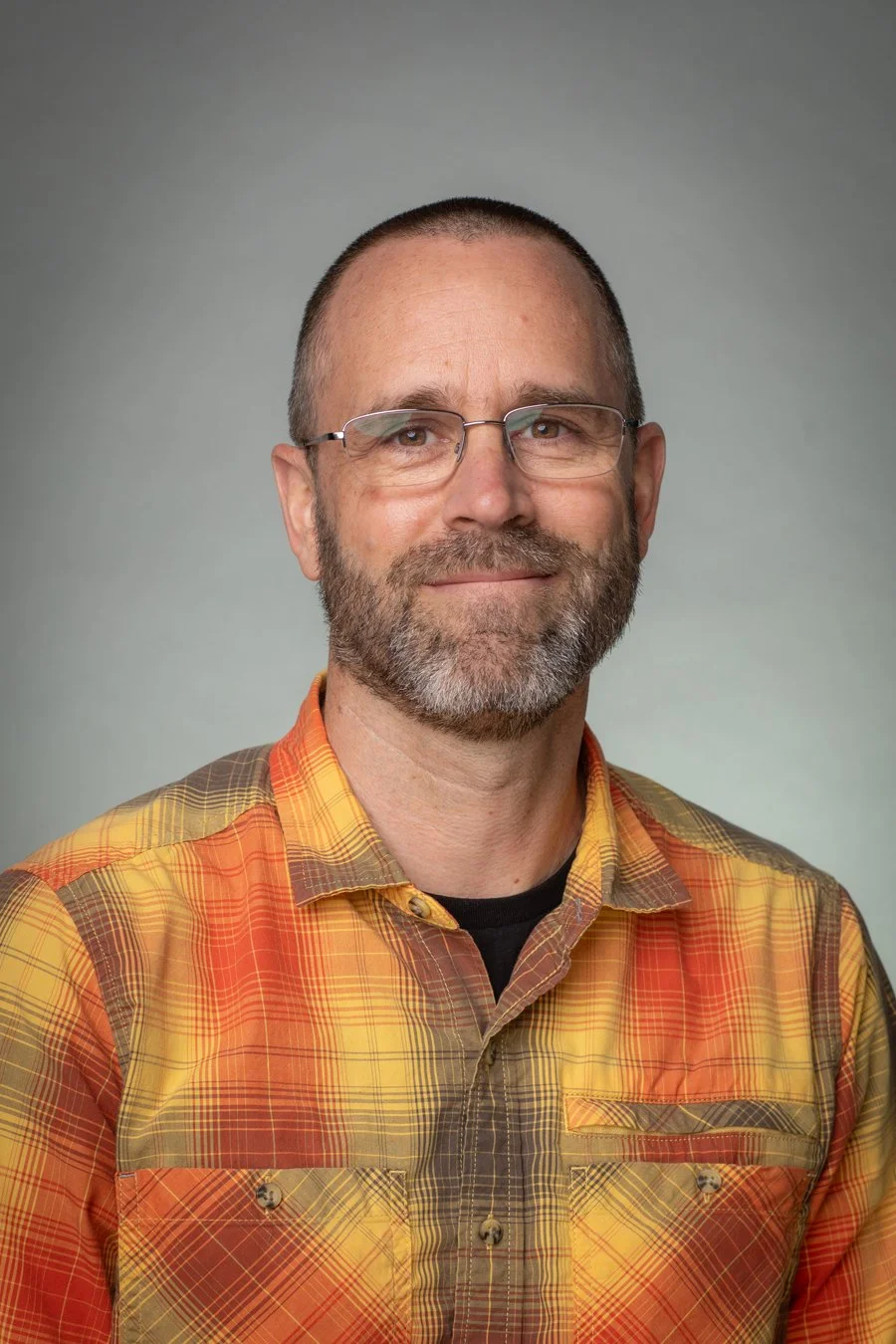
Eben Miller
Historian, Southern Maine Community CollegeEben Miller, Ph.D., is a professor of history at Southern Maine Community College, where he has taught since 2004, specializing in African American and Maine history. He is the author of Born along the Color Line: The 1933 Amenia Conference and the Rise of a National Civil Rights Movement, and his scholarship in Maine History has twice received the Maine Historical Society’s James Phinney Baxter Award. Eben is currently researching a book on the life of Mary Heuston—who was brought by her enslaver from Savannah, Georgia, to Bath during the summer of 1850—and the Black community of Bath and Brunswick who helped her escape and with whom she lived in freedom.
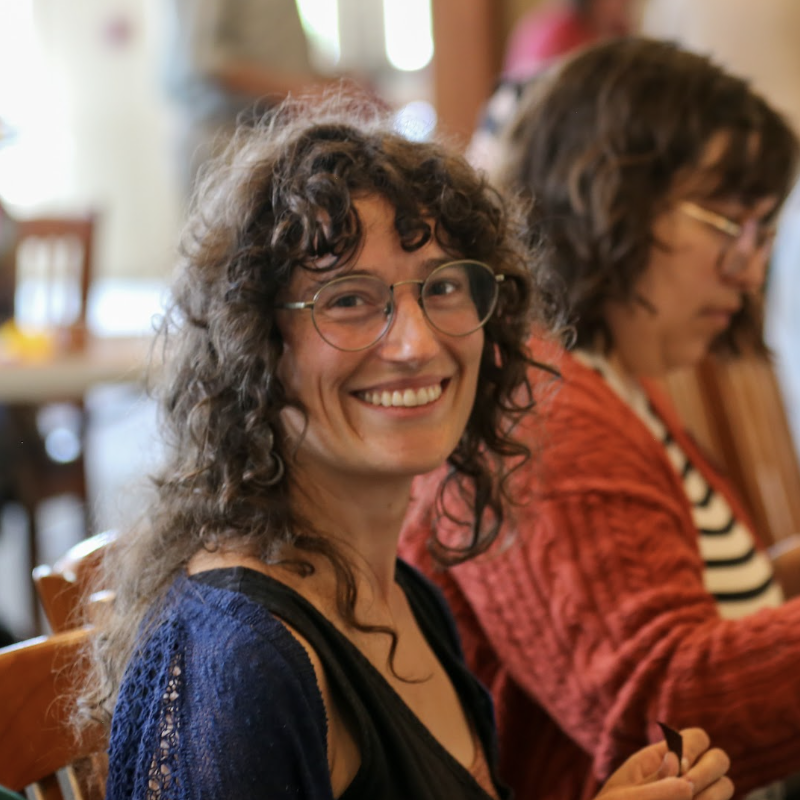
Sophia Richter
Collections Manager, Maine Maritime MuseumSophia Richter is Collections Manager at the Maine Maritime Museum, where she oversees the stewardship, preservation, and accessibility of the museum's collections in support of research, exhibitions, and public engagement. Her interests lie at the intersection of history, archives, public memory, and community engagement. Before joining the museum, Sophia completed an M.A. at Concordia University, where her research focused on environmental history, fisheries, and deindustrialization. She has published on the political economy of fisheries and environmental change and brings a collaborative, interdisciplinary approach to connecting historical collections with contemporary audiences and conversations.
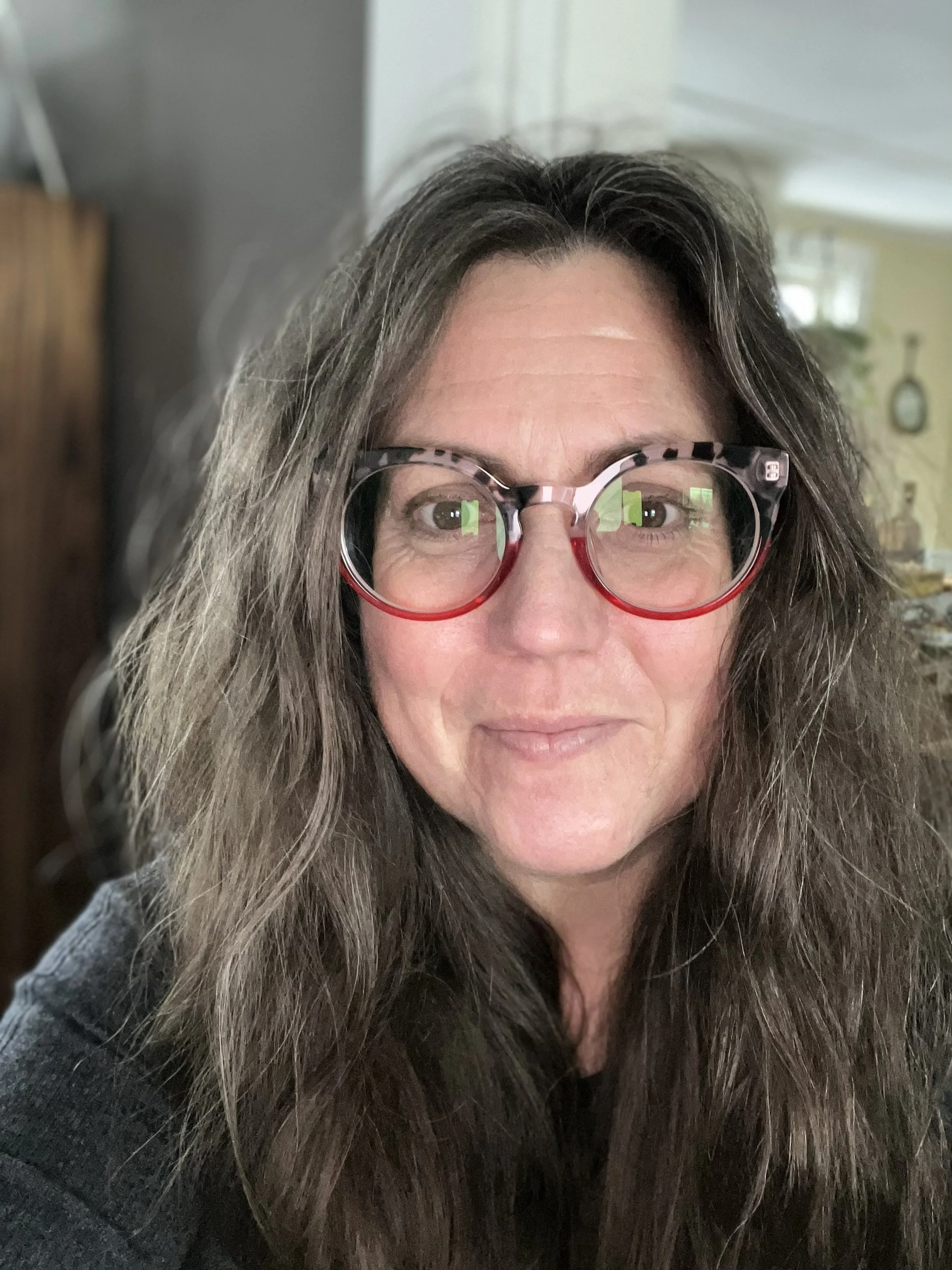
Kate Tremblay
Executive Director, Vaughan Woods and Historic HomesteadSophia Richter is Collections Manager at the Maine Maritime Museum, where she oversees the stewardship, preservation, and accessibility of the museum's collections in support of research, exhibitions, and public engagement. Her interests lie at the intersection of history, archives, public memory, and community engagement. Before joining the museum, Sophia completed an M.A. at Concordia University, where her research focused on environmental history, fisheries, and deindustrialization. She has published on the political economy of fisheries and environmental change and brings a collaborative, interdisciplinary approach to connecting historical collections with contemporary audiences and conversations.
Kathy DiPhilippo
Executive Director, South Portland Historical Society